

Refractory mortar is composed of refractory powder materials with a certain particle ratio, binders and admixtures. It is mixed into a slurry with water or liquid binder and used as a joint material for masonry, also known as jointing material.
The characteristics of refractory mud: good spreadability, easy to spread on the brick surface without sticking; certain water retention during masonry, full mortar joints during masonry; chemical composition and thermal expansion properties that are the same or similar to those of masonry materials; certain bonding strength and bonding time to ensure normal construction and the integrity of the masonry; similar slag resistance to bricks. High-alumina refractory mud has become an important material for industrial kiln masonry and repair due to its excellent characteristics.
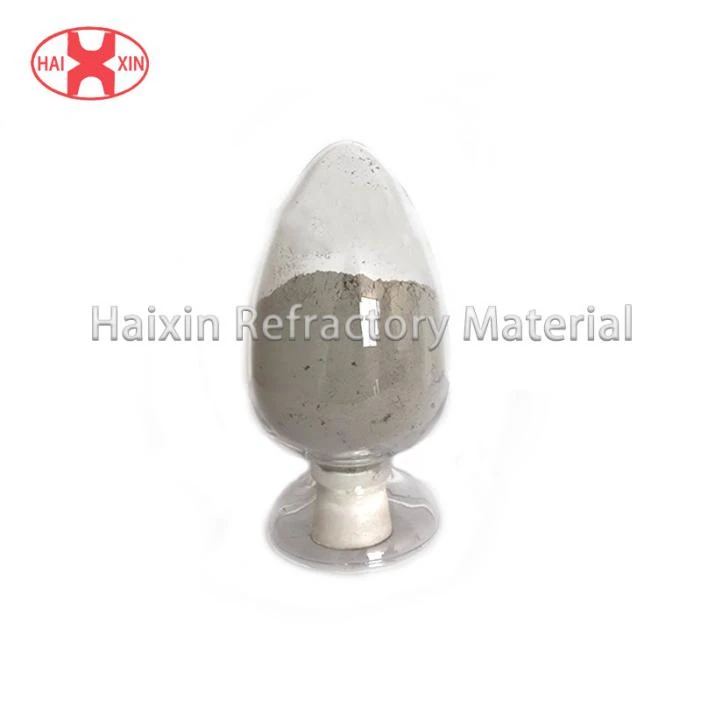
When high-alumina refractory clay is used for laying refractory bricks, it can effectively fill the brick joints, reduce the penetration of high-temperature gases and molten materials, prevent heat loss and structural erosion, and thus improve the thermal efficiency and operating stability of the kiln.
In high-temperature equipment such as cement rotary kilns, glass melting furnaces, and steelmaking electric furnaces, high-alumina refractory clay can resist the erosion of alkali metals, slag, and iron oxide, reduce lining damage, reduce maintenance frequency, and improve production efficiency.
Partial damage is inevitable during the operation of the kiln. High-alumina refractory mud is easy to construct and can be used to quickly repair furnace walls, furnace tops and other parts, shortening maintenance cycles and ensuring continuous production.
High-alumina refractory clay plays an irreplaceable role in industrial kilns due to its excellent performance. Reasonable selection of high-alumina refractory clay can not only improve the operating efficiency of the kiln, but also reduce maintenance costs, providing a strong guarantee for the stability and economy of industrial production. In the future, by further optimizing the formula and production process, high-alumina refractory clay will surely demonstrate its value in a wider range of industrial scenarios.