

High-alumina refractory bricks are a key refractory material used in industrial kilns, but product quality can vary considerably across the market. Problems such as spalling, cracking, and premature failure can often be traced to procurement decisions based solely on price or alumina content, as well as the selection of bricks that are unsuitable for the intended operating conditions. This article highlights six key factors to consider when purchasing high-alumina refractory bricks, helping you avoid common pitfalls and choose products that deliver reliable performance under your specific service conditions.
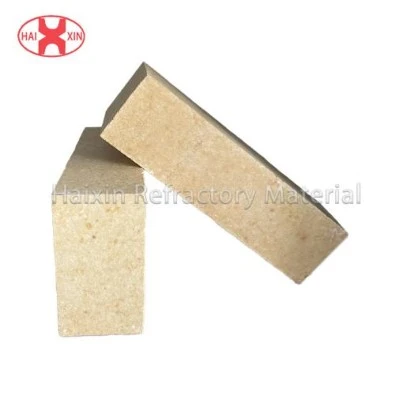
Ⅰ.Key Purchasing Consideration: Look Beyond Alumina Content
Many low-cost high-alumina bricks may contain recycled materials. Although they may meet the specified alumina content, their overall performance can still fall short of expectations. In practice, service life depends largely on four key technical parameters:
1. Bulk Density: Higher bulk density generally indicates a denser brick with greater resistance to slag penetration.
2.Apparent Porosity: Lower apparent porosity generally improves a brick's resistance to wear and erosion.
3.Load-softening temperature: Indicates a brick's resistance to deformation under load at high temperatures. As a general guideline, the kiln's operating temperature should be at least 100°C below the specified load-softening temperature, subject to the material's properties and actual service conditions.
4.Cold crushing strength: Higher strength indicates better resistance to mechanical damage and spalling.
In addition, the levels of iron oxide and alkali metal impurities must be strictly controlled, as excessive amounts can cause the bricks to pulverize and crack at high temperatures.
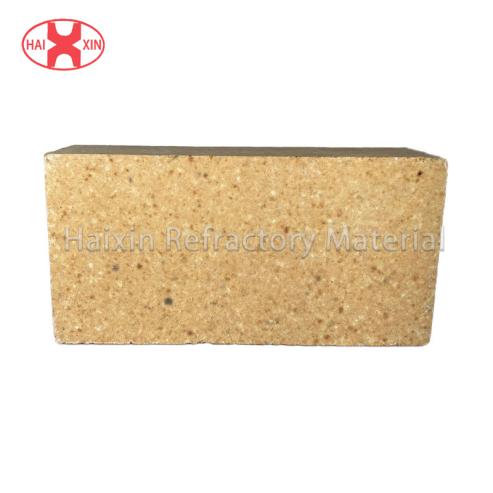
II. Select Refractories Based on Operating Conditions: Avoid Overspecification and Low-Quality Products.
Select refractory materials based on kiln operating temperatures and the severity of erosion in different zones to achieve the best balance between performance and cost:
1.LZ-48/LZ-55 Grade III High-Alumina Bricks: Suitable for lower-temperature areas and less demanding operating conditions, such as flues and preheating zones;
2.LZ-65 Second-Grade High-Alumina Bricks: Suitable for medium-temperature kilns, lime kilns, and conventional industrial furnaces, offering an excellent balance between performance and cost.
3.LZ-75 First-Grade High-Alumina Bricks: Suitable for use in steel ladles, blast furnaces, and high-temperature zones of cement kilns, where high temperatures and mild slag corrosion are common.
4.For applications involving severe abrasion or erosion, select specialized high-alumina bricks with low creep, phosphate bonding, and low porosity.
III. Manufacturing Processes: Beware of Low-Temperature-Fired Refractory Bricks and Bricks Made from Recycled Materials
Standard high-alumina bricks are fired at high temperatures, typically between 1,460°C and 1,580°C, to develop a stable structure. Although low-cost bricks that are underfired or made from recycled materials may look nearly identical to high-quality products, they are more susceptible to shrinkage, structural degradation, and spalling under high-temperature operating conditions.
Quick Identification Method: High-quality refractory bricks have a uniform surface, a dense cross-section, and produce a clear, ringing sound when tapped. Inferior bricks tend to have rough, porous surfaces, noticeable color variations, and produce a dull sound when tapped.
IV. Specifications and Certifications: Identifying Misleading Claims and Fraudulent Practices
A common problem in the market is product mislabeling, such as selling products as a higher grade than they actually are or using outdated test reports. When purchasing refractory bricks, request a complete set of physical and chemical test reports for each batch. Verify the product grade, technical specifications, and production date rather than relying solely on verbal assurances.
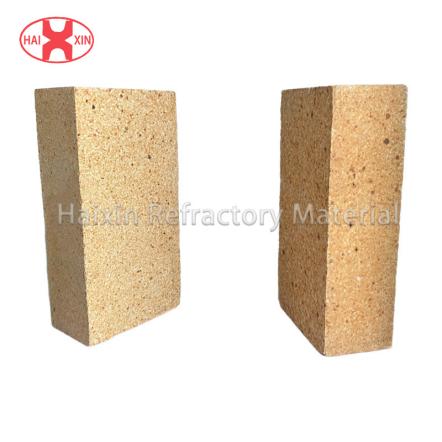
V. Dimensions and Installation
Excessive dimensional tolerances or damaged edges and corners can result in uneven masonry joints, potentially leading to gas leakage and brick erosion or spalling under high-temperature operating conditions. For specially shaped refractory bricks, verify dimensions and shapes against the technical drawings before installation, and ensure that all bricks meet the specified quality standards. In addition, use a suitable high-alumina refractory mortar, provide expansion joints as specified, and strictly control the furnace heat-up rate to prevent cracking of the refractory lining due to improper installation or construction.
VI. Storage, Transportation, and After-Sales Service: Key Considerations
When exposed to moisture, high-alumina refractory bricks may crack or suffer other forms of damage during high-temperature operation. Therefore, moisture-resistant packaging and proper handling procedures during loading and unloading are essential. It is also advisable to prioritize manufacturers that provide technical support and comprehensive services, including product selection, refractory lining installation, and furnace dry-out. This helps reduce the risks associated with intermediaries that sell refractory bricks without providing adequate after-sales support.