

Across high-temperature industrial applications worldwide, the thermal insulation performance of industrial kilns, heat treatment equipment, and high-temperature reaction systems directly affects energy consumption, production stability, equipment service life, and operational safety. Traditional heavy refractory materials, such as refractory bricks and castables, often have inherent limitations, including high thermal conductivity, high heat storage capacity, poor thermal shock resistance, long installation cycles, and a higher risk of cracking and spalling. As industries move toward greater energy efficiency, intelligent manufacturing, and low-carbon production, these limitations are driving demand for lightweight, high-performance insulation solutions.
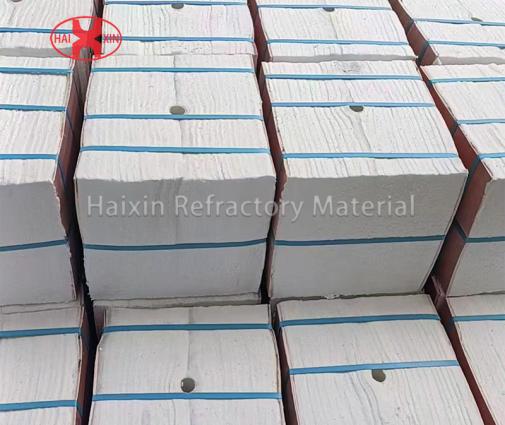
Aluminum Silicate Ceramic Fiber Modules are a new-generation lightweight refractory insulation solution designed to overcome many of the limitations of traditional heavy refractory materials. Their ultra-low thermal conductivity, excellent thermal shock resistance, prefabricated modular design, and rapid installation help reduce heat loss, shorten installation time, and improve overall thermal efficiency. They are widely used in metallurgy, chemical processing, building materials, environmental protection, and advanced manufacturing across major industrial markets, including Europe, North America, Southeast Asia, and the Middle East. Suitable for continuous, intermittent, and demanding high-temperature applications, these modules provide a flexible insulation solution for a wide range of industrial equipment.
I.Metallurgy and Heat Treatment: Precise Temperature Control and Extended Furnace Service Life
Metallurgical processing and heat treatment are among the primary applications of aluminosilicate ceramic fiber modules. They are suitable for a wide range of high-temperature processing equipment used for steel, alloy, and aluminum products, including soaking furnaces in rolling mills, forging and heating furnaces, annealing furnaces, tempering furnaces, bogie hearth furnaces, and ladle insulation linings.
Compared with traditional refractory bricks, ceramic fiber modules have a density of approximately one-fifth that of conventional refractory linings and significantly lower heat storage capacity. This helps shorten heating and cooling cycles, making them particularly suitable for intermittent production and improving overall furnace operating efficiency. Their flexible fiber structure also provides excellent resistance to repeated thermal cycling, helping minimize the risk of cracking, spalling, and surface powdering. As a result, they can reduce thermal damage and maintenance frequency compared with conventional heavy refractory linings.
Available in multiple grades, including high-purity, high-alumina, and zirconia-containing formulations, this product is suitable for metallurgical applications across a wide temperature range of 950°C to 1400°C. The appropriate grade can be selected to meet the specific heat-treatment requirements of carbon steels, specialty alloys, and aluminum alloys, helping maintain a uniform and stable temperature profile throughout the furnace. This improves process consistency and accuracy while increasing product yield and overall manufacturing efficiency.
II. Building Materials Industry: Designed for Continuous Kiln Operations and Consistent High-Volume Production
Large-scale ceramic, glass, and advanced building material production lines require kiln linings with exceptional thermal stability, uniform heat distribution, and long-term durability. Aluminosilicate ceramic fiber modules are widely used in key thermal-processing equipment, including tunnel kilns, roller kilns, shuttle kilns, glass annealing kilns, and photovoltaic and automotive glass production kilns.
This product features a modular prefabricated structure with built-in spring-back, creating a tightly sealed and continuous furnace lining after installation. This helps minimize heat loss and localized hot spots while maintaining a more uniform temperature profile throughout the kiln. As a result, it improves heating and firing uniformity for ceramic and glass products and helps reduce product defects. In automotive glass production lines, the modules can help maintain kiln temperature uniformity within ±2°C, while their resilient structure accommodates thermal expansion and movement of the furnace, reducing the risk of lining cracks and spalling. In addition, the material offers excellent resistance to high-velocity airflow erosion, making it well suited for long-term continuous operation in building material kilns. By reducing refractory maintenance frequency and unplanned downtime, it supports the automation and high-volume production requirements of the global building materials industry.
III. Petrochemical and Fine Chemical Industries: Excellent Corrosion Resistance and High-Temperature Performance for Demanding Operating Conditions
High-temperature reaction equipment in the petrochemical and fine chemical industries operates under demanding conditions involving high temperatures, acidic fumes, and trace corrosive media. These harsh environments require refractory insulation materials with excellent chemical stability, high-temperature performance, and long-term durability. Aluminosilicate ceramic fiber modules offer outstanding corrosion resistance, resistance to thermal aging, and high-temperature stability, making them widely used in ethylene cracking furnaces, heating furnaces, reformers, industrial flues, and linings for chemical reactors.
This material offers good resistance to weak acids and alkalis, resisting powdering and spalling even under prolonged high-temperature operation. It effectively withstands attack from corrosive components in flue gases, helping maintain stable thermal insulation performance throughout the equipment's service life. Its ultra-low thermal conductivity also significantly reduces heat loss through furnace walls, helping maintain stable reaction temperatures and supporting continuous production and precise process control. Thanks to its lightweight structure, the aluminosilicate ceramic fiber module reduces the structural load imposed on chemical equipment, helping lower support and infrastructure costs while meeting the requirements for safe, energy-efficient, and reliable long-term operation in large-scale petrochemical complexes worldwide.
IV. Environmental Solid Waste Treatment: High-Temperature and Corrosion Resistance for RTO Systems
As environmental regulations and emissions standards become increasingly stringent worldwide, industrial exhaust gas treatment and solid waste incineration systems are being increasingly adopted. Ceramic fiber modules are widely used in RTO thermal oxidizers, RCO regenerative catalytic oxidizers, solid waste incinerators, and high-temperature exhaust flues, where they provide reliable insulation under demanding thermal and corrosive conditions.
These systems operate at high temperatures and generate flue gases containing acidic and corrosive components, while also being exposed to high-velocity airflow erosion. These demanding conditions can accelerate the aging and performance degradation of conventional insulation materials. Zirconium-containing aluminosilicate ceramic fiber modules are designed for long-term service at temperatures of 1300°C to 1400°C, offering excellent corrosion resistance, erosion resistance, and thermal shock resistance. They effectively resist chemical attack from corrosive incineration flue gases, reducing the risk of furnace lining damage, heat loss, and unplanned equipment downtime. Their continuous, tightly sealed furnace lining structure also improves the thermal efficiency of incineration equipment, supporting efficient thermal oxidation of exhaust gases and more complete combustion of solid waste. This helps reduce energy consumption and pollutant emissions while supporting the industry's transition toward lower-carbon and more sustainable operations.
V. Advanced Manufacturing and Specialized Industries: Precise Temperature Control for Demanding Applications
Across advanced manufacturing sectors worldwide, aluminosilicate ceramic fiber modules offer precise temperature control, low-dust operation, and stable performance, making them well suited to precision manufacturing applications in the semiconductor, optoelectronics, and aerospace industries. Typical applications include semiconductor sintering furnaces, optical fiber drawing equipment, electronic component annealing furnaces, and high-temperature testing equipment for aerospace applications.
Aluminosilicate ceramic fiber modules generate minimal volatile emissions and resist fiber shedding at high temperatures, helping minimize particulate contamination of precision components and meet stringent cleanliness requirements in advanced manufacturing. They also help maintain a uniform and stable temperature profile inside the furnace, supporting high-temperature processing of precision components. In addition, the modules are designed for a wide operating temperature range, enabling reliable performance under the large temperature variations encountered in aerospace testing equipment and providing consistent thermal insulation for demanding high-temperature applications.
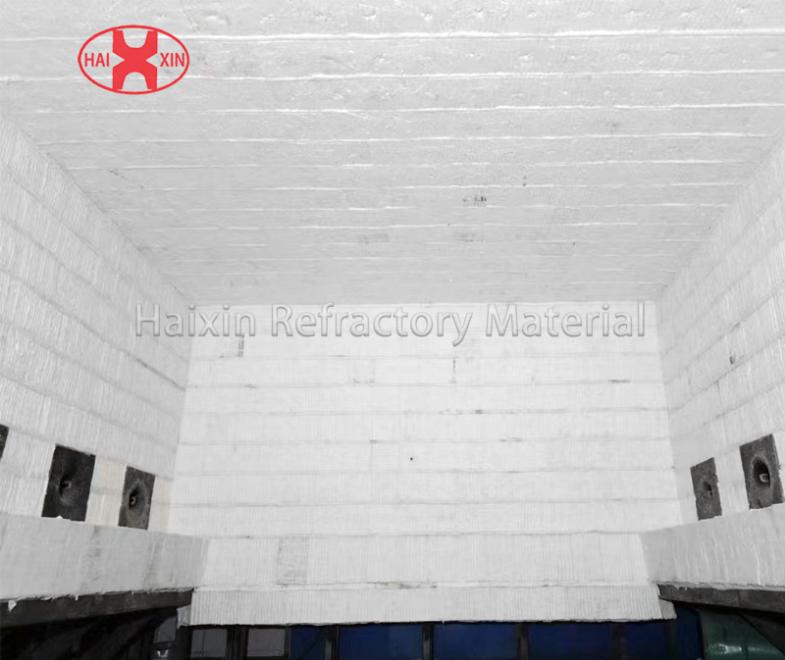
From conventional metallurgical applications to advanced precision manufacturing, and from standard operating conditions to highly corrosive and extreme high-temperature environments, aluminum silicate ceramic fiber modules have become a standard material for high-temperature industrial insulation. Their combination of energy efficiency, thermal stability, durability, and environmental performance makes them well suited to the global transition toward smart manufacturing, decarbonization, and long-term sustainability. They provide industrial companies worldwide with cost-effective, reliable, and long-lasting insulation solutions for high-temperature equipment, making them a preferred choice for both retrofit and new-build industrial kiln projects.