

1. Special clay: characteristics and process
Special clay is a type of clay material that has been specially treated or formed naturally, and is known for its high plasticity, high temperature resistance and chemical stability. Its composition is usually mainly kaolin (Al₂O₃·2SiO₂·2H₂O) or montmorillonite, rich in elements such as aluminum and silicon, and some varieties contain rare minerals. Its performance can be significantly improved through purification, grinding and modification processes. For example, calcined kaolin can enhance whiteness and refractoriness (above 1770℃). There are various molding methods, including grouting, extrusion and pressing molding, followed by high-temperature sintering (1200-1500℃) to form a dense structure, which is suitable for precision casting molds, advanced ceramics and environmentally friendly adsorbents.
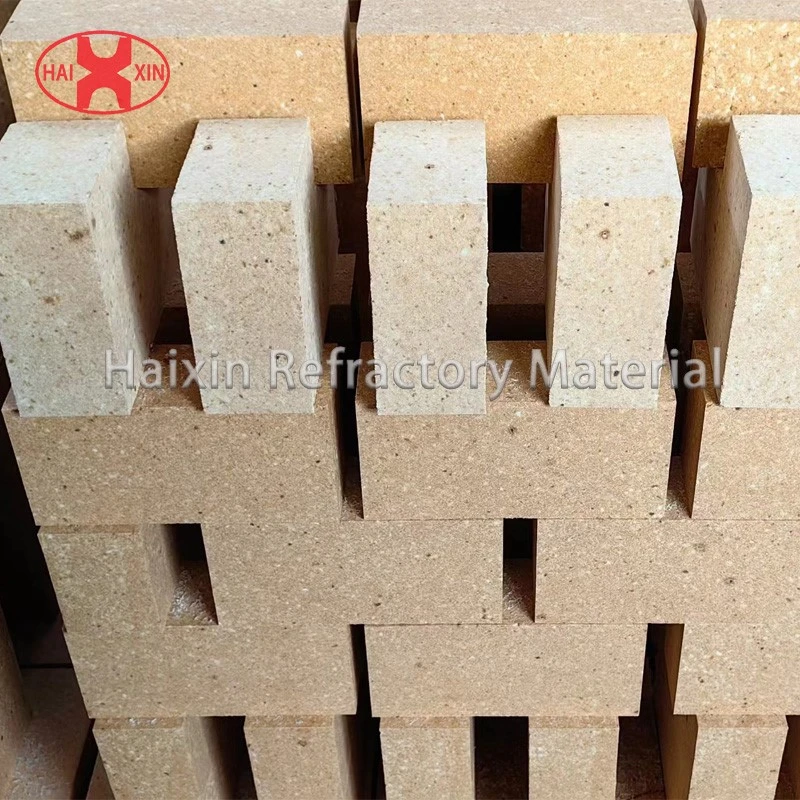
2. High-aluminum products: technical core and application
High-aluminum products are characterized by high alumina (Al₂O₃) content (usually ≥48%). They are made of selected bauxite or industrial alumina as raw materials, crushed, batched, high-pressure formed and sintered at high temperature (1500-1800℃). Its apparent porosity is less than 20%, its compressive strength exceeds 50MPa, its refractoriness is above 1790℃, and its thermal shock resistance is excellent (no cracks after multiple rapid cooling and heating tests). It is mainly used in the lining of steel metallurgical kilns, checker bricks for glass melting furnace regenerators and chemical reactor linings, significantly extending the life of equipment. Emerging applications include electronic ceramic substrates (Al₂O₃ content above 95%) and nuclear power protection materials.
As the cornerstone of high-temperature industry, special clay, high aluminum products are deeply integrated into high-end manufacturing and green economy through technological innovation, continuously promoting the expansion of the boundaries of materials science, and providing key material support for the goal of carbon neutrality.