

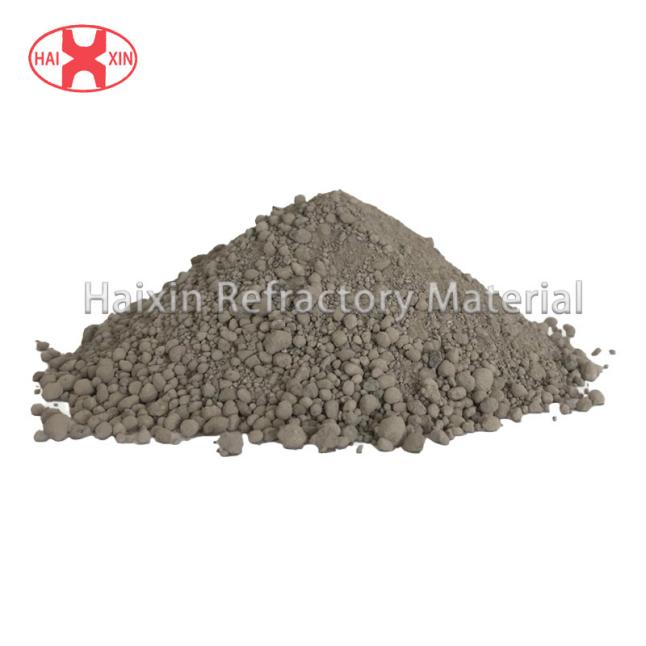
Refractory plastic is an amorphous refractory material made of 70-80% granular and powdery materials, 10-25% plastic clay and other binders and an appropriate amount of plasticizer. It is in the form of hard mud and maintains high plasticity for a long time.
Main materials:
1. Refractory aggregates: such as high-alumina bauxite, mullite, corundum, etc., provide high temperature resistance.
2. Binders: such as phosphates, silicates, aluminates, etc., used to bond aggregates.
3. Additives: such as plasticizers, dispersants, etc., to improve construction performance and material properties.
Common types:
· High-alumina refractory plastic: with high-alumina bauxite as the main aggregate, it is often used in metallurgical furnaces, heating furnaces, boiler linings, etc.
· Silica refractory plastic: with silica as the main aggregate, it is mainly used in acidic environments such as coke ovens and glass kilns.
· Magnesium refractory plastic: with magnesia as the main aggregate, it is suitable for alkaline furnace linings, such as cement kilns, electric furnaces, etc.
· Silicon carbide refractory plastic: with silicon carbide as the main aggregate, it is often used in high-temperature kilns, incinerators, etc.
Characteristics
Good plasticity: can be formed by ramming, vibration, etc., suitable for the construction of complex shapes.
High refractoriness: can withstand thermal shock and chemical erosion in high temperature environment.
Good thermal shock stability: can withstand rapid changes in temperature without cracking.
Excellent corrosion resistance: can resist erosion by slag, molten metal, etc.
Long service life: can maintain a long service life in high temperature environment.
In short, as an important refractory material, refractory plastic plays an irreplaceable role in industrial development. With the advancement of technology, the performance of refractory plastic will continue to improve and its application field will become more extensive.