

Silicon carbide ramming mass is a high-temperature refractory material with silicon carbide as the main raw material. It has excellent high temperature resistance, corrosion resistance and thermal shock stability. It is widely used in the lining of high-temperature equipment in metallurgy, ceramics, chemical industry and other industries. Its construction process mainly includes the following steps:
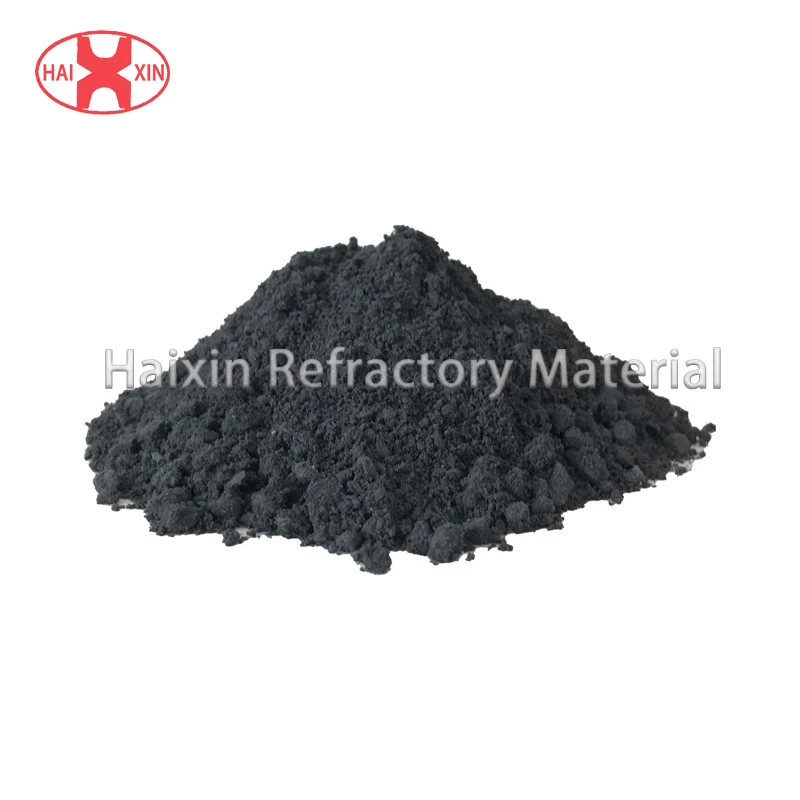

1. Preparation before construction
Substrate treatment: Clean the construction base surface to ensure that there is no dust, oil or loose objects. The metal shell needs to be derusted and the masonry surface needs to be moistened (but no water should be accumulated).
Material preparation: Mix the dry material with the binder (such as water, resin or phosphate) according to the manufacturer's requirements and stir evenly until there is no dry powder agglomeration.
2. Ramming construction
Layered filling: Fill the mixture into the construction site in layers, and control the thickness of each layer to 50~100mm to avoid being too thick and causing loose compaction.
Mechanical ramming: Use a pneumatic pick or electric ramming machine to tamp layer by layer. When ramming manually, the force should be uniform until the surface is slurry and there is no obvious soft layer.
Joint treatment: The layers need to be scraped to enhance the bonding. When the construction interval exceeds the initial setting time, the surface needs to be cleaned before continuing.
3. Curing and baking
Natural curing: After the construction is completed, let it stand for 24~48 hours to maintain the environmental humidity to avoid rapid dehydration and cracking.
Low temperature baking: Slowly increase the temperature to 150~300℃ at 5~10℃/h to remove residual moisture; in the high temperature stage, increase the temperature to the use temperature in stages according to the process requirements.
4. Precautions
The ambient temperature should be between 5 and 35°C, and construction should be avoided in rainy and snowy weather.
The compaction density directly affects the service life, and the layer thickness and compaction strength need to be strictly controlled.
The heating curve should be followed during the baking stage to prevent bursting caused by rapid heating.
The core of silicon carbide ramming material construction lies in density and uniformity. Standardized processes can significantly improve the slag resistance and thermal shock resistance of the lining and extend the life of the equipment.