

Refractory plastic is an amorphous refractory material made of 70-80% granular and powdery materials, 10-25% plastic clay and other binders and an appropriate amount of plasticizer. It is in the form of hard mud and maintains high plasticity for a long time.
In the fields of industry and construction, the demand for refractory materials has been growing. Wear-resistant refractory plastic, as a new type of refractory material, has gradually become an ideal choice in many fields due to its unique performance and excellent wear-resistant and refractory characteristics. This article will introduce the performance of wear-resistant refractory plastic in detail.
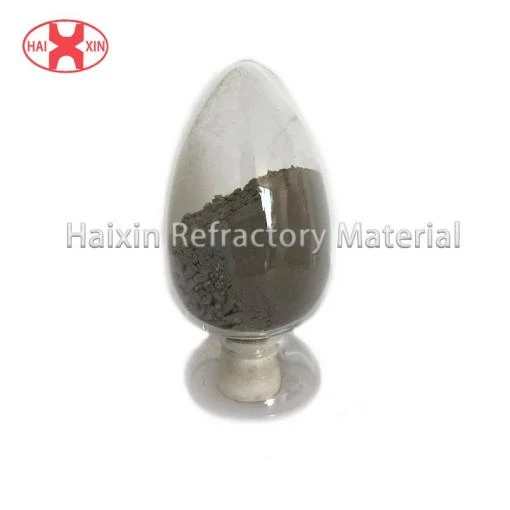
Wear-resistant and fire-resistant plastic has the following properties:
(1)High wear resistance: Refractory plastic contains special wear-resistant components in its composition, which enables the material to maintain good wear resistance at high temperatures. This makes it have high practical value in high temperature, high pressure and severe wear environments.
(2) Excellent fire resistance: This material has good fire resistance and can withstand extremely high temperatures (usually above 1000°C). In fire or other high temperature conditions, wear-resistant and fire-resistant plastics can effectively prevent the spread of fire and protect equipment and building structures.
(3) Good plasticity: Compared with other refractory materials, wear-resistant refractory plastics have better plasticity and can be easily molded into various shapes and sizes to meet the application requirements of different scenarios.
(4) Low thermal conductivity: Wear-resistant and fire-resistant plastics have low thermal conductivity, which can effectively slow down the transfer of heat, reduce energy consumption and improve energy efficiency.
Refractory and wear-resistant plastics are widely used in industrial kilns such as metallurgy, petrochemical, electric power and machinery industries. They are mainly used as heat-shock-resistant, erosion-resistant and wear-resistant linings; such as burners of heating furnaces, discharge ports of cement rotary kilns, charging ports of vertical kilns, linings of high-temperature cyclone separators, roofs and walls of steel rolling heating furnaces, and can also be used as linings of various heat treatment furnaces.