

Technology and application of lightweight and high-strength thermal insulation refractory castables
Lightweight high-strength thermal insulation refractory castable refers to a castable refractory material with a true porosity of not less than 45%. It is also called lightweight refractory castable. It includes lightweight aggregate refractory castable, foam refractory castable, aerated refractory castable, etc. In practical applications, lightweight aggregate refractory castable is the main one.
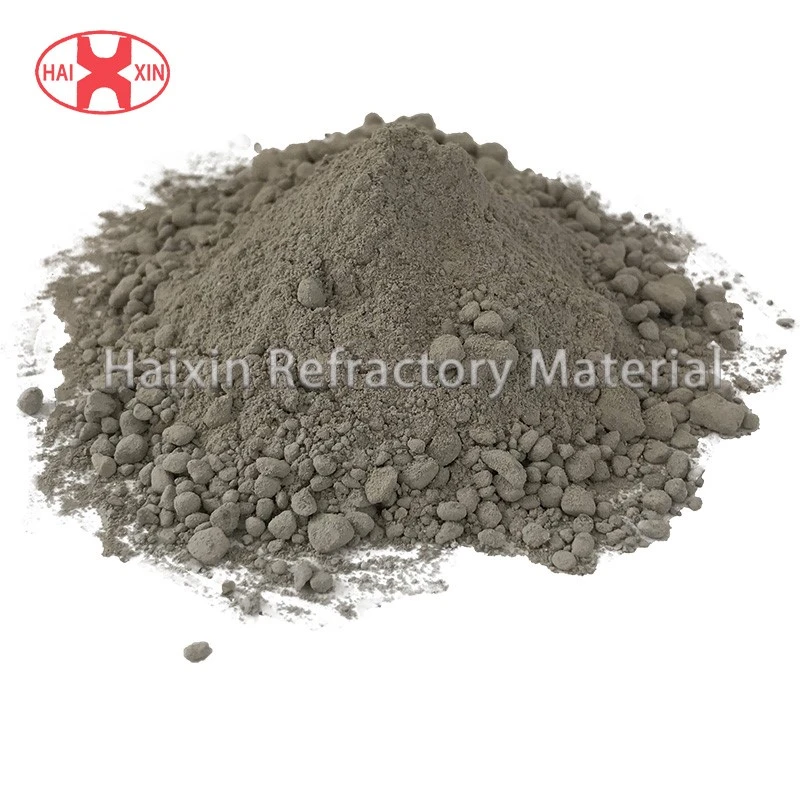
It is divided into 3 categories according to production method, binder type and lightweight aggregate type. According to production method, it is mainly divided into insulating refractory castables prepared with lightweight aggregates and insulating refractory castables made by foam method or aeration method. According to the classification of binder type, it is the same as general refractory castables. According to the type of lightweight aggregate, it can be divided into insulating refractory castables such as expanded perlite, expanded vermiculite, ceramsite, porous clay clinker, lightweight brick sand, hollow alumina balls, etc. In practical applications, in addition to a single lightweight aggregate batch, several lightweight aggregates are often used to form insulating refractory castables.
Lightweight high-strength thermal insulation refractory castables are composed of refractory lightweight aggregates, powders, binders and admixtures. Foamed thermal insulation refractory castables are composed of refractory powders, binders and foaming agents, among which refractory powders are composed of clay clinker powder, refractory clay brick powder, fly ash, etc. The binders are mainly silicate cement or aluminate cement, etc. The foaming agents often use rosin soap foaming agents, saponin fat foaming agents, petroleum aluminum sulfonate foaming agents, etc. The most commonly used is rosin soap foaming agents. Aerated thermal insulation refractory castables are composed of refractory powders, binders and air-entraining agents, etc. The binders and refractory powders are the same as the materials used in the foam method. Air-entraining agents are usually certain metal powders, which react with acids to generate hydrogen to produce porous castables. There are also dolomite or periclase plus gypsum (as a stabilizer) to react with sulfuric acid, or calcium carbide and water to generate acetylene to form gas to play an aerating role. In addition, if clay clinker powder, bauxite clinker powder or industrial alumina powder is used as powder and phosphoric acid is used as binder, the hydrogen produced by the reaction of phosphoric acid and iron will also play a role in aerating, thus making aerated heat-insulating refractory castables.
The lightweight, high-strength, heat-insulating refractory castables produced by Haixin Company have high porosity and low thermal conductivity, and have certain fire-resistant properties and good thermal insulation properties. Their application in industrial kilns and thermal equipment can save energy (reducing heat loss by 20% to 80% compared with general refractory materials), improve kiln operation rates, and reduce equipment load. The use of integral casting or prefabricated parts also facilitates production and installation.