

Refractory ramming material is an amorphous refractory material composed of refractory aggregate, fine powder, binder and additives. It is usually supplied in dry or semi-dry form and needs to be constructed by ramming (mechanical or manual) and sintered at high temperature to form a dense structure. Its main components include high-alumina bauxite, silicon carbide, corundum, magnesia, etc. The binder can be phosphate, water glass, resin or cement, etc.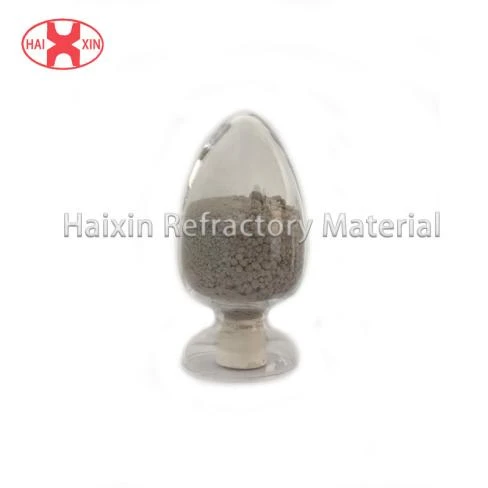
Main performance characteristics of refractory ramming materials
(1) High bulk density and low porosity
(2) Excellent high temperature resistance
(3) Good thermal shock resistance
(4) Strong chemical corrosion resistance
(5) Flexible construction and adaptable to complex structures
Application of refractory ramming materials in high temperature industry
(1)Metallurgical industry
Ironmaking blast furnace: used for repair and lining of furnace hearth, tapping channel and other parts.
Electric furnace/converter: used for key parts such as furnace bottom and tapping hole to improve the ability to resist molten steel scouring.
Ladle/tundish: used as working lining or repair material to extend service life.
(2)Nonferrous metal smelting
Copper/aluminum smelting furnace: Ramming mass can resist the erosion of molten metal and slag, and improve the life of the furnace lining.
Zinc/lead smelting furnace: Use silicon carbide ramming mass with strong corrosion resistance to reduce furnace lining loss.
(3)Chemical and glass industries
Coal gasifier: uses high-aluminum or corundum ramming material, which is resistant to high temperature and coal ash erosion.
Glass kiln: used in the bottom of the pool, liquid flow holes and other parts to prevent glass liquid from penetrating.
(4)Other high temperature equipment
Incinerator: To deal with the high temperature corrosion problem during garbage incineration.
Induction furnace: As a furnace lining material, it improves thermal efficiency and service life.
Refractory ramming materials play an important role in high-temperature equipment in metallurgy, chemical industry, glass and other industries due to their high density, high temperature resistance, corrosion resistance and flexible construction. In the future, with the development of new material technology, high-performance ramming materials will further improve wear resistance, thermal shock resistance and other properties to meet more stringent industrial needs.