

In industrial kilns and high-temperature equipment, the choice of refractory materials directly affects energy efficiency and service life. Corundum mullite lightweight bricks are ideal materials for high-temperature environments due to their excellent low thermal conductivity and high thermal shock resistance.
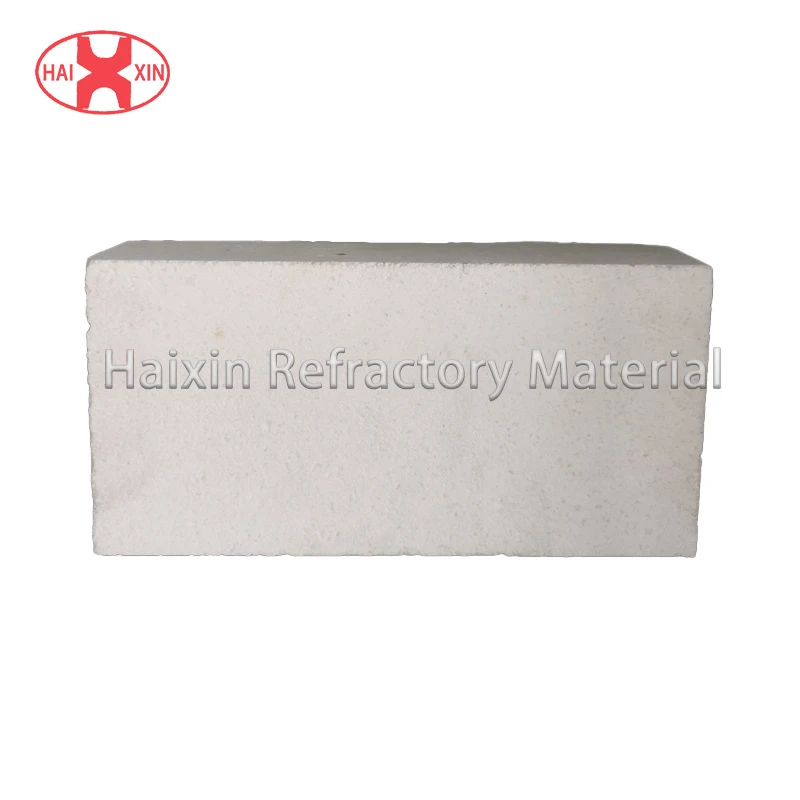
1.Low thermal conductivity
Corundum mullite lightweight bricks use high-purity alumina and mullite (3Al2O3·2SiO2) as the main raw materials, and form a porous structure through a special process, which significantly reduces the thermal conductivity. This feature effectively reduces heat loss, improves the thermal insulation effect of the kiln, and reduces energy consumption.
2.High thermal shock resistance
The mullite phase gives the material excellent thermal stability, making it less likely to crack when subjected to drastic temperature changes. The high melting point of corundum (2050°C) further enhances the high-temperature strength of the brick, allowing it to withstand frequent hot and cold cycles and extend its service life.
3.Lightweight and high strength
The material has a low density, which reduces the load on the kiln. At the same time, it has high strength and can resist mechanical stress and chemical corrosion. It is suitable for high temperature environments in petrochemical, metallurgical, ceramic and other industries.
4.Application areas
Corundum mullite lightweight bricks are widely used in cracking furnaces, rotary kilns, heat treatment furnaces and other equipment, especially suitable for occasions with strict requirements on thermal insulation performance and thermal shock stability.
With the comprehensive advantages of low thermal conductivity, high thermal shock resistance, light weight and high strength, corundum mullite lightweight bricks have become a key material for energy saving and consumption reduction in modern high-temperature industries, providing a reliable guarantee for efficient and environmentally friendly production.