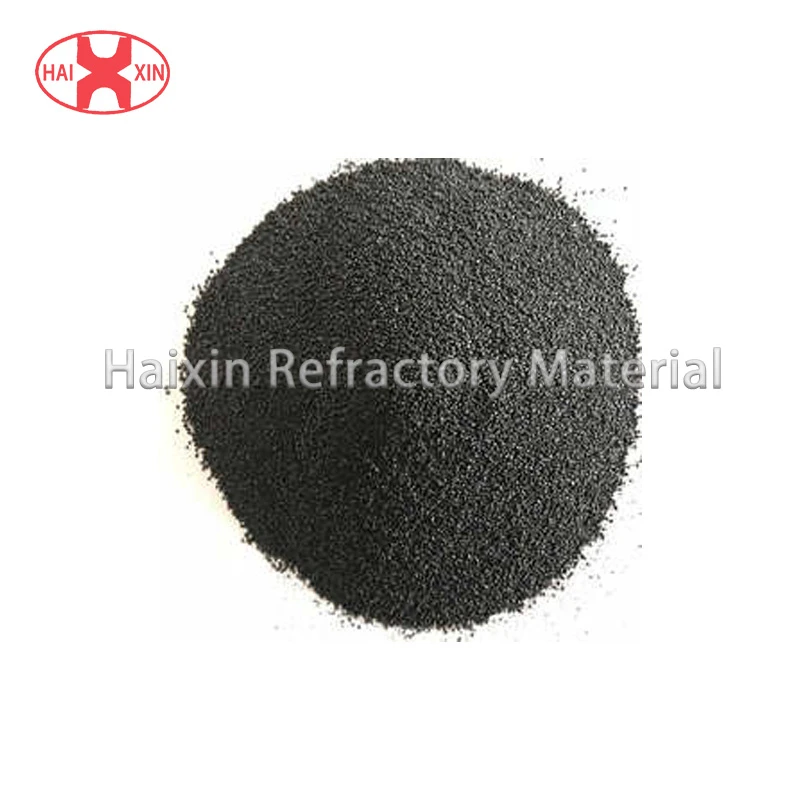
Chromium drainage agent is a key functional material in the metallurgical industry. It is widely used in the drainage operation of the ladle during the steelmaking process. Its core function is to ensure the smooth flow of molten steel from the ladle to the tundish or mold through its physical and chemical properties at high temperatures. The material is mainly composed of chromium compounds, such as chromium oxide (Cr₂O₃) or metallic chromium, usually supplemented with elements such as silicon, aluminum, and calcium, and its performance is optimized by adjusting the melting point and chemical activity. In a high-temperature steelmaking environment (usually over 1600°C), the chromium drainage agent forms a stable molten layer with the high melting point of Cr₂O₃ (about 2435°C), which can not only prevent the molten steel from solidifying and blocking the steel outlet, but also lubricate the inner wall of the ladle through molten substances to reduce flow resistance. In addition, some chromium compounds can react with impurities such as sulfur and oxygen in the molten steel to play a role in desulfurization and deoxidation, indirectly improving the purity of the molten steel.
Chromium drainage agents are particularly suitable for the production of chromium-containing steels such as stainless steel and heat-resistant steel because of their high composition matching degree, which can avoid the introduction of other impurities to interfere with the steel. Its significant advantages include high temperature resistance, high drainage efficiency and compatibility with special steels, but the cost is relatively high and it is necessary to guard against the environmental and health risks of hexavalent chromium. In practical applications, environmentally friendly and low-toxic formulas should be given priority, and ventilation and protective measures should be taken. Common substitutes on the market, such as silicon-calcium drainage agents, are lower in cost, but have weaker temperature resistance. Therefore, when choosing, it is necessary to comprehensively consider the steel grade requirements, process conditions and environmental regulations, and verify the effect through experiments when necessary, so as to balance production efficiency and safety sustainability.
Application scenarios:
Steelmaking process: mainly used for drainage of ladle in electric furnace (EAF), converter (BOF) and continuous casting process.
Special steel production: suitable for chromium-containing steels such as stainless steel and heat-resistant steel to avoid the introduction of other impurities.