

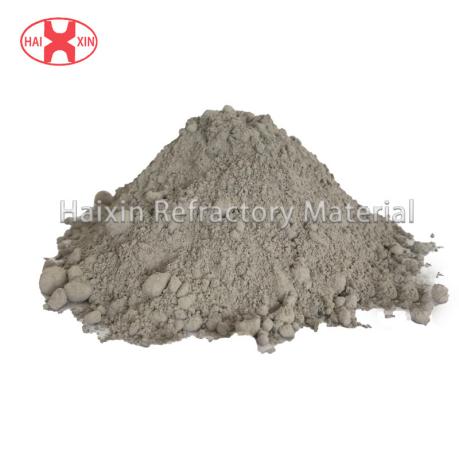
Refractory repair material is a special material used to repair the lining of high-temperature industrial equipment. It is widely used in metallurgy, cement, glass, chemical and other industries. Its excellent high temperature resistance, corrosion resistance and rapid curing ability make it a key material for extending the life of kilns, boilers and other equipment. This article will analyze it from the two aspects of performance characteristics and industrial application.
1.Performance characteristics of refractory repair materials
High temperature resistance: Refractory repair materials are usually composed of high-aluminum, silicon or silicon carbide materials, and can withstand high temperatures of 1300℃ to 1800℃, ensuring structural stability in extreme environments.
Good thermal shock resistance: Since industrial furnaces often experience rapid cooling and heating, refractory repair materials need to have a low thermal expansion coefficient to avoid cracking or peeling due to sudden temperature changes.
Chemical erosion resistance: In metallurgy, chemical industry and other industries, the furnace lining is easily corroded by slag, acid and alkali gas. High-quality refractory repair materials can resist chemical corrosion and reduce the loss of furnace lining.
Fast curing and high strength: Some repair materials use phosphate or water glass binders, which can harden within a few hours and form a high-strength structure, shortening equipment downtime.
Good construction performance: Refractory repair materials are usually provided in the form of spray coatings, ramming materials or castables, which are convenient for manual or mechanical construction and can meet different repair needs.
2.Industrial application of refractory repair materials
Metallurgical industry: used for repairing linings of blast furnaces, converters, electric furnaces and ladle to prevent erosion by molten iron and steel and extend the service life of the furnace.
Cement industry: Applied to the repair of rotary kilns, preheaters and grate coolers to reduce damage to the refractory layer caused by clinker wear and thermal stress.
Glass industry: used to repair key parts of glass melting furnace such as pool walls and flow holes to prevent glass liquid from corroding refractory materials.
Petrochemical industry: In high-temperature equipment such as cracking furnaces and coking furnaces, repair materials can effectively resist corrosion from oil, gas and acidic gases.
Power industry: used for repairing circulating fluidized bed boilers (CFB) and waste incinerators to improve wear resistance and high temperature resistance.
Refractory repair materials have become important materials for industrial equipment maintenance due to their high temperature resistance, corrosion resistance, and rapid curing. Reasonable selection and construction can significantly reduce equipment maintenance costs and improve production efficiency. In the future, with the development of new material technology, refractory repair materials will play a key role in more high-temperature industrial fields.