

Refractory plastic is an amorphous refractory material made of 70-80% granular and powdery materials, 10-25% plastic clay and other binders and an appropriate amount of plasticizer. It is in the form of hard mud and maintains high plasticity for a long time.
Refractory plastics are mainly used in various heating furnaces that do not directly contact the melt. The materials are mostly clay and high alumina, but also silicon, magnesium, chromium, zircon and silicon carbide. If classified by binder, there are clay-bonded, water glass-bonded, phosphate-bonded, sulfate-bonded plastics, etc.
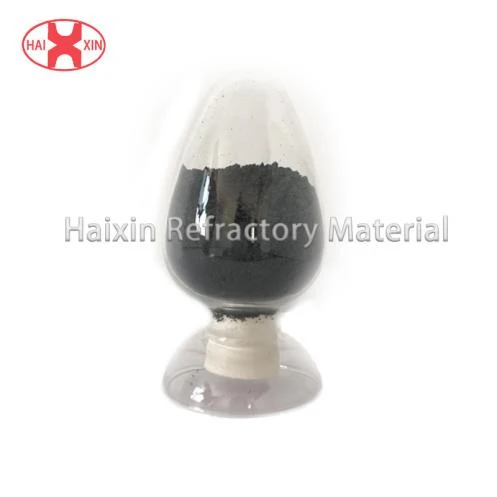
Silicon carbide wear-resistant refractory plastic is a plastic refractory material made of silicon carbide as the main aggregate, silicon carbide powder and special additives. Due to its excellent wear resistance, high temperature resistance and thermal shock resistance, it is widely used in the protection of high-temperature and easily worn equipment in cement, metallurgy, power and other industries.
Core performance features
✅Ultra-high wear resistance: Silicon carbide has high hardness and can effectively resist material erosion and air flow wear, thus extending the life of the equipment.
✅Excellent high temperature resistance: stable strength at high temperatures and not easy to peel off.
✅Easy construction: Plastic is malleable and can be applied by hand or mechanically, making it suitable for repairing parts with complex shapes.
✅Good chemical stability: resistant to acid and alkali corrosion, suitable for corrosive industrial environments (such as waste incinerators, chemical kilns).
Typical application scenarios
Cement industry: kiln tail preheater, cyclone, grate cooler and other high temperature and high wear parts.
Metallurgical industry: blast furnace coal injection pipe, iron ladle, electric furnace lining, etc.
Power industry: circulating fluidized bed boiler fire protection belt, return feeder lining.
Chemical industry: gasification furnace, incinerator and other corrosive environment protection.
Silicon carbide wear-resistant and fire-resistant plastics have become an ideal choice for high-temperature wear-resistant protection due to their comprehensive properties. In the future, with the application of technologies such as nano-modification and low-carbon binders, their performance will be further improved to meet more stringent industrial needs.