

1.Advantages and construction of refractory plastics
1.1 Construction flexibility and short construction period
Refractory plastics stand out in the field of furnace lining repair with their unique properties. Their biggest advantage is the flexibility of construction, which can adapt to the needs of various shapes and has a short construction period. Whether it is construction by ramming method or local repair of damaged parts, it seems to be at ease. What is more worth mentioning is that this material does not need to be baked and can be put into use directly at the furnace temperature, which brings great convenience to the repair work.
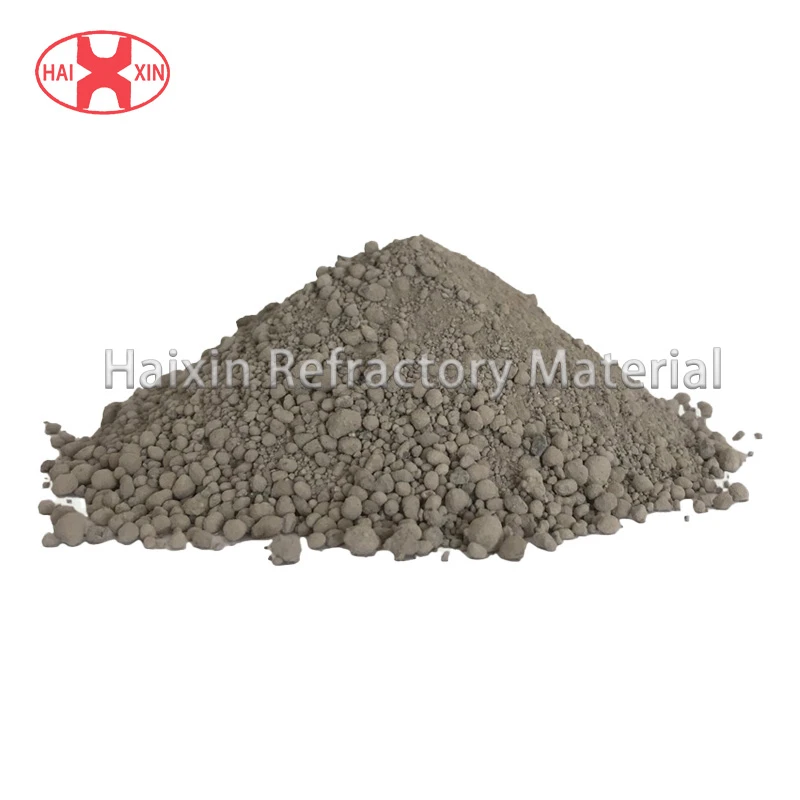
1.2 Wear resistance and bonding performance
Refractory plastics are not only wear-resistant and plastic, but also have excellent bonding properties. Therefore, they are widely used in the repair of circulating fluidized bed boilers and heating furnace linings. During the production process, this material can be made into a variety of forms to meet different construction needs.
2.Material selection and construction techniques
2.1 Selection of raw materials and cementing materials
There are a wide range of raw materials for refractory plastics, including corundum, coke and high-aluminum aggregates, which can be made into plastics of various grades and qualities. However, in order to ensure its effectiveness, PA80 glue must be used as a bonding material. This glue is made by boiling aluminum dihydrogen phosphate and phosphoric acid. It can be added in advance during the production process or added at the construction site. It should be noted that if you choose to add it at the construction site, you need to go through the process of trapping the material to ensure its best use effect.
2.2 Material grade and applicable environment
The grade of refractory plastic should be selected according to the furnace lining atmosphere, temperature and wear resistance of the part where it is used. In a low temperature environment, raw materials suitable for the temperature can be selected for production, and the price is relatively affordable. However, if it is faced with a high temperature or ultra-high temperature environment, high-performance materials such as corundum or even zirconium corundum should be selected to ensure that the use requirements of the furnace lining are met. In addition, due to its excellent plasticity, refractory plastic is not only suitable for use on the furnace roof, but also for ramming construction of the furnace wall.
Refractory plastics have become an ideal material for industrial furnace lining repair due to their excellent plasticity, high temperature stability and ease of construction. Whether it is high-temperature equipment in the steel, cement or chemical industries, it can effectively fill cracks, repair wear, significantly extend the life of the kiln, and reduce maintenance costs. With the continuous advancement of material technology, the continuous optimization of refractory plastics in terms of corrosion resistance and environmental performance will further consolidate its position as the core material for furnace lining repair. In the future, combined with intelligent construction technology, the application potential of refractory plastics will be even broader, providing a solid guarantee for the efficient and sustainable development of high-temperature industries.