

Corundum bricks are high-grade refractory materials made of high-purity alumina as the main raw material, through high-temperature sintering or electric melting. Its Al2O3 content is usually above 90%, with extremely high refractoriness, excellent corrosion resistance and mechanical strength. It is a key lining material for high-temperature equipment in metallurgy, chemical industry, glass and other industries.
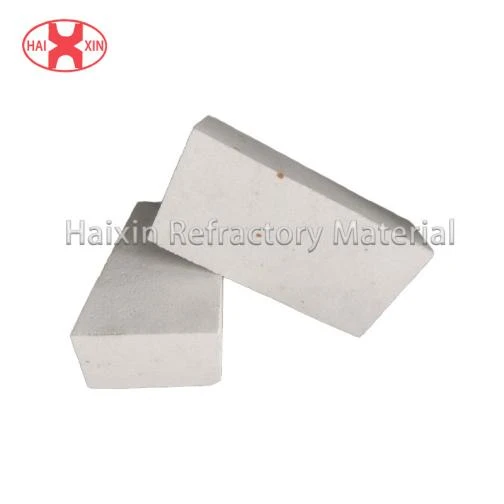
The main characteristics of corundum bricks: high refractoriness, excellent resistance to chemical corrosion, high strength, low porosity, and excellent thermal shock stability.
Main application areas: metallurgical industry, chemical industry, glass industry.
How to choose suitable corundum bricks?
According to Al2O3 content: 95%, 9% and other high purity are suitable for extreme environments.
By bonding method: sintered corundum bricks (low cost), fused corundum bricks (higher purity).
Special needs: Adding ingredients such as chromium and zirconium can enhance corrosion resistance.
Usage and maintenance recommendations
When laying bricks: use special refractory mortar to ensure that the joints are dense.
Baking system: operate strictly according to the heating curve to avoid thermal shock cracking.
Regular inspection: Check for erosion and cracks when the furnace is shut down and repair them in time.
As an indispensable high-performance refractory material in the metallurgical, chemical, glass and other industries, corundum bricks have demonstrated irreplaceable value in extreme industrial environments with their excellent high temperature resistance, corrosion resistance and mechanical strength. Whether it is high-temperature kilns in steel smelting, contact parts with corrosive media in chemical production, or key linings in glass melting furnaces, corundum bricks have ensured the safety and efficiency of industrial processes with their stable performance.