

In modern industrial production, kilns are the core equipment for high-temperature processing and are widely used in metallurgy, ceramics, glass, chemicals and other industries. The selection of kiln lining materials is directly related to energy consumption, production efficiency and equipment life. Silicon carbide bricks have gradually become the preferred refractory material for industrial kilns due to their excellent performance. So, what are its advantages?
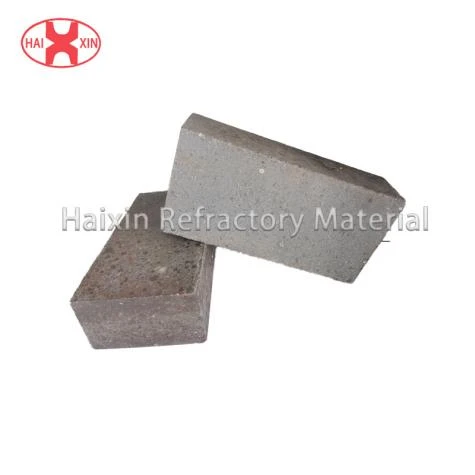
1. Extremely high temperature resistance
The refractoriness of silicon carbide bricks can reach over 1800℃, and some high-purity silicon carbide bricks can even withstand extreme temperatures over 2000℃. In contrast, the temperature resistance of traditional clay bricks or high-alumina bricks is usually between 1500℃ and 1700℃, which is difficult to meet the needs of some high-temperature industries. Therefore, silicon carbide bricks are particularly suitable for high-temperature environments such as steel, ceramic sintering, and glass melting furnaces.
2. Excellent thermal conductivity, energy-saving and high efficiency
The thermal conductivity of silicon carbide bricks is much higher than that of ordinary refractory bricks, which can quickly transfer heat and make the temperature distribution inside the kiln more uniform. This not only improves heating efficiency, but also reduces energy consumption and reduces production costs.
3. Excellent thermal shock resistance
Industrial kilns often experience rapid cooling and heating during operation, and ordinary refractory materials are prone to cracking and peeling due to thermal stress. However, silicon carbide bricks can withstand frequent temperature changes and extend the service life of the kiln due to their low thermal expansion coefficient and high mechanical strength.
4. Excellent corrosion resistance
Silicon carbide bricks are highly chemically inert and can resist corrosion from most acids, alkalis and molten metals. They are particularly suitable for harsh environments such as aluminum electrolytic cells and zinc smelting furnaces.
5. High mechanical strength and good wear resistance
The hardness of silicon carbide bricks is close to that of diamonds, and they have excellent wear resistance. Their high strength also makes them less likely to deform at high temperatures, maintaining structural stability.
6. Lightweight design reduces kiln load
Compared with traditional refractory bricks, silicon carbide bricks have a lower density, which can reduce the overall weight of the kiln and the load of the supporting structure. They are particularly suitable for large kilns or mobile heating equipment.
Silicon carbide bricks have become the ideal lining material for modern industrial furnaces due to their comprehensive advantages such as high temperature resistance, fast thermal conductivity, thermal shock resistance, corrosion resistance, and high strength. Although their cost is relatively high, in the long run, their long life, low energy consumption, and high efficiency can significantly reduce the overall production cost, so they are widely used in steel, ceramics, chemicals, new energy, and other fields. In the future, with the advancement of silicon carbide preparation technology, its performance will be further improved, making it a more reliable choice for high-temperature industries.