

In order to ensure that fire resistant plastic can be smoothly constructed and used normally at high temperatures, plastics should have the following basic properties:
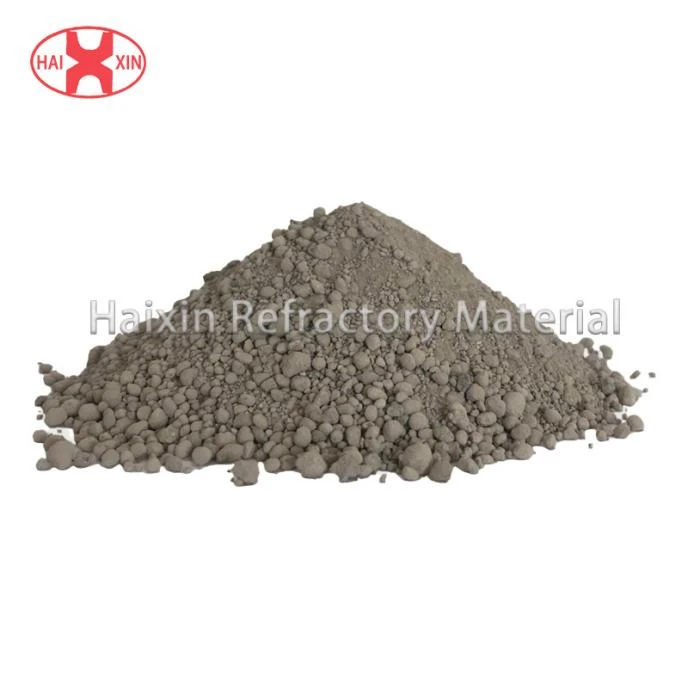
1.Plasticity and construction adaptability
During the construction phase, the material needs to have good plasticity to facilitate filling complex structures and closely fit the substrate. The binder needs to maintain an appropriate plasticity time before curing to ensure construction convenience; after curing, a high-strength network is formed to ensure structural stability.
2.Has a certain shelf life
To ensure that the molding performance remains unchanged during the specified storage period;
3.It has a certain strength after curing at room temperature
To facilitate the removal of the frame or transportation after construction;
4.High temperature volume stability, low linear change rate
The volume change after heating is small (the shrinkage or expansion rate is usually ≤1%) to prevent damage to the furnace lining structure due to excessive deformation.
5.Chemical stability
Resist chemical corrosion from slag, molten metal, gas, etc., and choose acidic or alkaline materials according to the environment.
6.High temperature resistance and thermal shock stability
Fire resistant plastic need to maintain structural stability at high temperatures (usually ≥1600℃) to avoid softening or melting. At the same time, they need to have excellent thermal shock resistance to resist cracking or peeling caused by sudden temperature changes, which is crucial for industrial furnaces that are frequently started and stopped.
7.Economy and durability
Reasonable cost, long service life, reduced maintenance frequency and improved economic benefits.
The performance design of fire resistant plastic needs to be guided by actual working conditions, balancing indicators such as high temperature strength, thermal shock resistance, and corrosion resistance. With the development of industrial technology, its formula and process will continue to be optimized to provide more efficient and durable protection solutions for high-temperature industrial equipment.