

Characteristics and Application of Corundum Castables
Corundum castables, based on their high aluminum content, show excellent properties such as high temperature resistance and corrosion resistance, and play an important role in the lining application of high-temperature industrial furnaces. This material can be divided into two categories according to the selection of materials: corundum refractory castables and corundum mullite refractory castables. Although both castables contain "corundum" components, their performance will show differences in actual use, and at the same time, their prices will also be different.
Corundum Castable
The corundum in the corundum castable is a barrel-shaped or cone-shaped tripartite crystal. It has excellent electrical insulation and thermal conductivity, as well as good chemical stability and resistance to reducing agents. For this reason, corundum is widely used in industry, such as the manufacture of high-temperature refractory materials, refractory bricks, crucibles, porcelain, and artificial gemstones. It is worth noting that the corundum used in industry is artificial corundum, which is made by high-temperature sintering or electric melting of industrial alumina or bauxite.
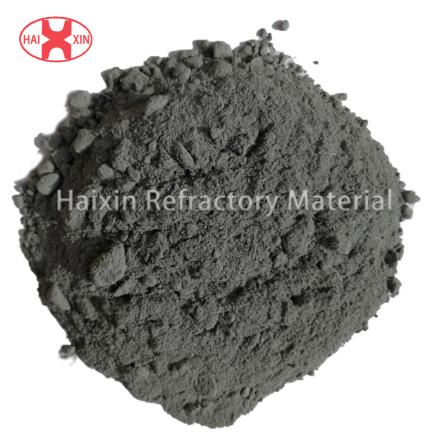
Corundum mullite castable
The corundum-mullite refractory castable uses artificially synthesized mullite raw materials when mixing. This raw material has a high melting point, excellent creep resistance, low expansion coefficient, excellent thermal shock resistance and corrosion resistance. For this reason, mullite is widely used in the refractory industry. However, compared with corundum, mullite is slightly inferior in hardness and density, while corundum has more superior performance.
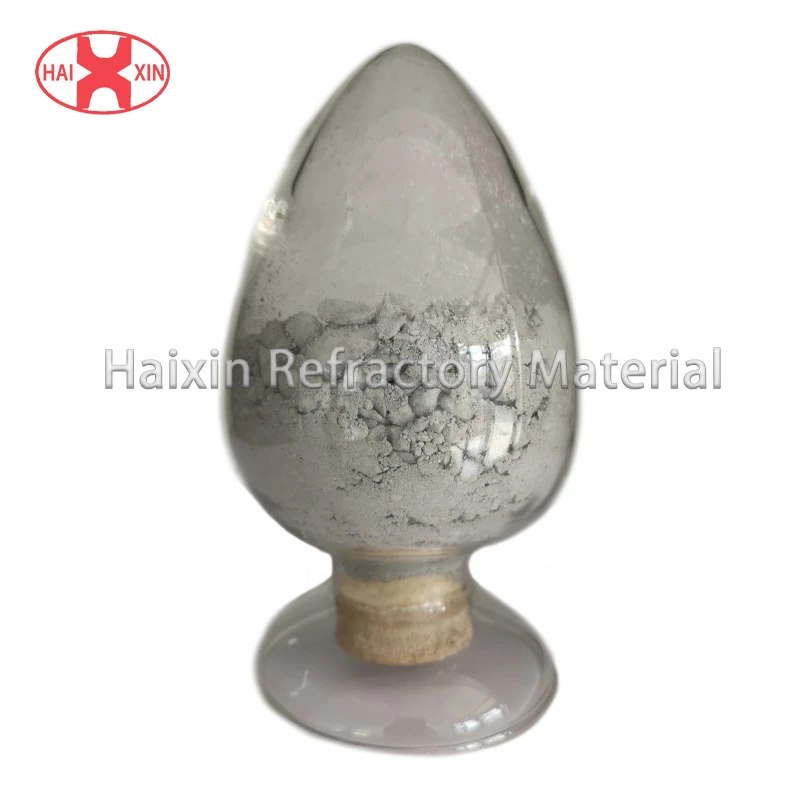
Castable performance and application differences
Distinction Analysis
The performance difference between corundum castables and corundum mullite castables is mainly reflected in the aluminum content, among which the aluminum content of corundum castables is relatively high. This makes corundum castables excellent in wear resistance and fire resistance, while mullite castables stand out for their excellent thermal shock resistance. When selecting castables for high-temperature kiln linings, it is necessary to select suitable refractory materials based on the actual operating environment of the kiln.