

The core function of lightweight castable is "thermal insulation", so its main application is in industrial furnaces and equipment where heat loss needs to be reduced and thermal efficiency needs to be improved.
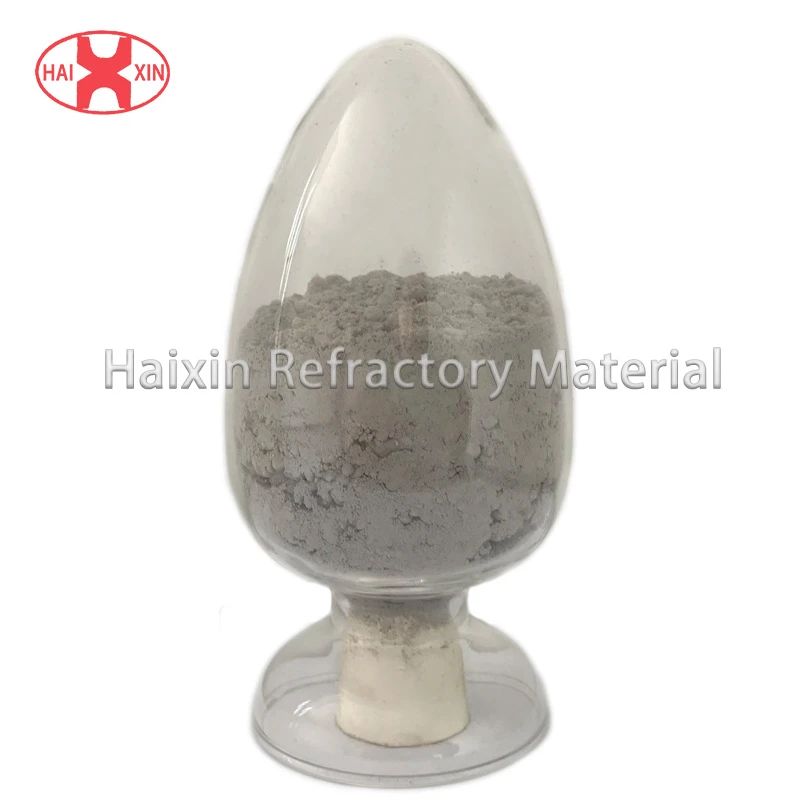
Lightweight castables are classified into the following specific application areas according to industry:
Lightweight castables are suitable for the iron and steel metallurgical industry. This is one of the sectors with the largest consumption of lightweight castables.
II. Ironmaking System:
Blast Furnace: Insulation layer for the hot blast stove roof and walls; heat insulation lining for the blast furnace shell.
Steelmaking System:
Ladle/Hot Ladle: Crucially vital as a permanent layer (backing lining) between the heavy working lining (e.g., aluminum-magnesium castable) and the steel shell.
Tundish: Main material for the permanent layer, used for insulation.
Rolling System:
Heating Furnace: Insulation layer for the furnace roof, walls, and soaking bed. In some low-temperature zones, the furnace roof can also be used directly as the working lining.
Annealing Furnace: Main material for the furnace lining.
Normalizing Furnace: Insulation layer for the furnace walls and roof.
II. Lightweight castables are suitable for the petrochemical industry. Operating temperatures are high, requiring strict furnace insulation.
Ethylene cracking furnaces: Insulation lining for furnace walls and roof.
Hydrogen conversion furnaces: Furnace wall insulation for convection and radiant sections.
Various tubular heaters: As insulation layer for furnace walls and flues.
Petrochemical kilns: As backing insulation material to reduce heat loss and protect the furnace shell.
III. Lightweight castables are suitable for the non-ferrous metals industry:
Aluminum melting furnaces: Insulation layers for furnace doors and walls, and areas not in direct contact with molten aluminum.
Copper refining furnaces and lead-zinc smelting furnaces: Backing insulation layers.
Aluminum processing industry: Furnace linings such as holding furnaces and soaking furnaces.
IV. Lightweight Castables Suitable for the Ceramics and Building Materials Industries
Kilns are major energy consumers in these industries, making excellent insulation crucial.
Ceramic Kilns: Insulation layers for kiln car platforms, kiln walls, and kiln roofs in tunnel kilns, shuttle kilns, and roller kilns.
Cement Industry: Insulation linings for rotary kiln tail preheating systems, decomposition furnaces, tertiary air ducts, and other equipment.
Glass Industry: Insulation for the bottom of glass melting furnaces, insulation layers for kiln arches (vaults), and flue insulation.
V. Lightweight castables are suitable for the power generation and waste incineration industries.
Power plant boilers: Insulation for the boiler body and furnace walls, as well as for the flue and air preheater.
Waste incinerators: As a backing insulation layer in areas such as the combustion chamber and flue.
Lightweight castables are used in almost all industrial furnaces and kilns involving thermal processes, such as: foundry industry: heat treatment furnaces, drying furnaces; machinery industry: forging heating furnaces; boiler industry: furnace wall insulation for various industrial boilers.
It is particularly important to note that when selecting lightweight castables, the appropriate material (such as clay, mullite, or hollow alumina spheres) and bulk density must be chosen based on specific operating conditions, including the operating temperature, atmosphere (oxidizing or reducing), load-bearing capacity, and whether there is airflow erosion. Incorrect selection can lead to premature furnace lining damage, affecting production safety and energy efficiency.