

In modern industry, high temperature, wear and chemical corrosion are severe challenges faced by many equipment. Although traditional refractory materials have certain high temperature resistance, they are often insufficient in terms of wear resistance, thermal shock resistance and construction convenience. Wear-resistant and refractory plastics are gradually becoming the new favorite of metallurgy, power, cement, petrochemical and other industries due to their unique performance advantages. So why are more and more industries choosing it?
1.Excellent wear resistance and high temperature resistance
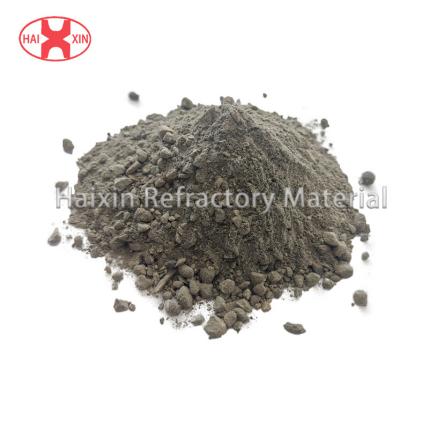
Wear-resistant refractory plastic is made of high-purity refractory aggregate and high-quality binder, which enables it to maintain stable physical and chemical properties in high temperature environment. At the same time, its high-density structure gives it excellent wear resistance, especially suitable for high wear areas, such as rotary kilns, boiler linings, high-temperature pipelines, etc.
2.Excellent thermal shock resistance
Traditional refractory materials are prone to cracking and peeling under rapid cooling and heating conditions, while wear-resistant refractory plastics have better flexibility and thermal shock resistance, can adapt to frequent temperature fluctuations, reduce material damage caused by thermal stress, and thus extend the service life of equipment.
3.Convenient construction and adaptable to complex structures
Compared with refractory bricks or castables, wear-resistant refractory plastics are plastic and can be directly rammed, painted or extruded into shape, which is suitable for repairing or overall lining construction of complex structures such as special-shaped parts, elbows, valves, etc. This not only improves construction efficiency, but also reduces joints and reduces the risk of material falling off.
4.Low maintenance cost and high economy
Because the wear-resistant and refractory plastic is resistant to wear and peeling, its service life is longer than that of traditional materials, reducing the number of frequent shutdowns for maintenance and reducing maintenance costs. In addition, its local repair ability also means that small-scale damage does not require overall replacement, further saving costs.
5.Wide range of application scenarios
At present, wear-resistant and refractory plastics have been widely used in:
Metallurgical industry (blast furnace, hot blast furnace, electric furnace)
Power industry (circulating fluidized bed boiler, burner)
Cement industry (rotary kiln, preheater)
Petrochemical industry (cracking furnace, reactor lining)
Waste incineration (high temperature flue, grate)
As industrial equipment develops towards high efficiency and long life, wear-resistant and fire-resistant plastics are becoming the preferred materials for more and more industries due to their advantages of high temperature resistance, wear resistance, thermal shock resistance, and easy construction. In the future, with the further optimization of the formula, its application scope will continue to expand, providing stronger guarantee for the stable operation of industrial high-temperature equipment.