

Refractory materials generally refer to inorganic non-metallic materials with a refractoriness above 1580℃. They include natural ores and various products made through certain processes according to certain purpose requirements. They have certain high-temperature mechanical properties and good volume stability, and are essential materials for various high-temperature equipment.
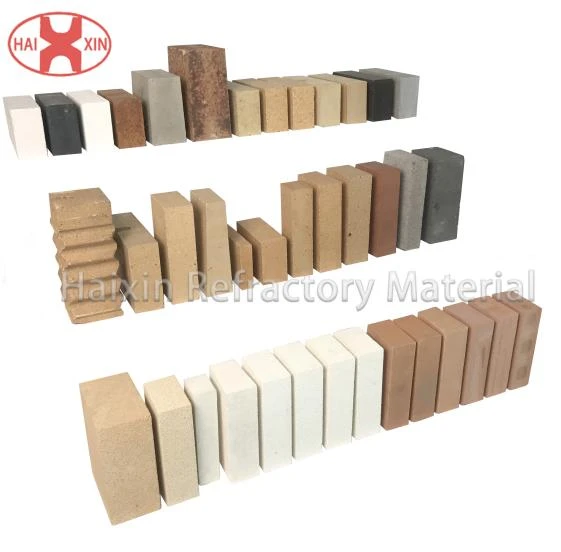
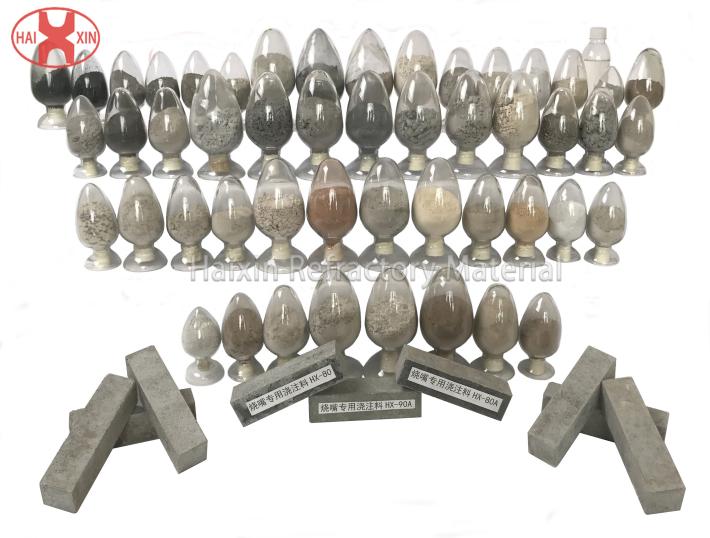
Classification of refractory materials
1.According to chemical composition: can be divided into acidic, alkaline and neutral
2. According to the refractoriness: it can be divided into ordinary refractories (1580-1770℃), advanced refractories (1770-2000℃), special refractories (above 2000℃) and super refractories (greater than 3000℃)
3. According to the processing and manufacturing process: can be divided into fired products, cast products, unfired products
4. Classification by purpose: can be divided into refractory materials for blast furnace, open hearth furnace, converter, continuous casting, glass kiln, cement kiln, etc.
5. According to appearance: it can be divided into refractory products, refractory mud, amorphous refractory materials (refractory castables, refractory plastics, etc.)
6. Classification by shape and size: standard, general, special, special and super special products
7. According to the molding process: it can be divided into natural rock cutting and sawing, mud casting, plastic molding, semi-dry molding and vibration, ramming, melting and casting products
8. According to the chemical-mineral composition: it can be divided into aluminum silicate (clay bricks, high alumina bricks, semi-silica bricks), silica (silica bricks, fused quartz fired products), magnesia (magnesia bricks, magnesia-alumina bricks, magnesia-chrome bricks); carbon (carbon bricks, graphite bricks), dolomite, zircon, special refractory products (high-purity oxide products, refractory compound products and high-temperature composite materials).
In general, there are many types of refractory materials, each with its own unique properties and application scenarios. When selecting refractory materials, it is necessary to comprehensively consider factors such as the material's refractoriness, slag resistance, thermal stability, and chemical stability based on actual working conditions and use environment to ensure long-term stable operation and safe production of equipment. At the same time, with the advancement of science and technology and the development of industry, the performance and types of refractory materials are also constantly being updated and improved, providing strong support for the development of the high-temperature industrial field.