

Hey there! As a ladle castable supplier, I've seen firsthand the growing interest in lightweight ladle castables. In this blog, I'm gonna share the advantages of using these awesome materials.
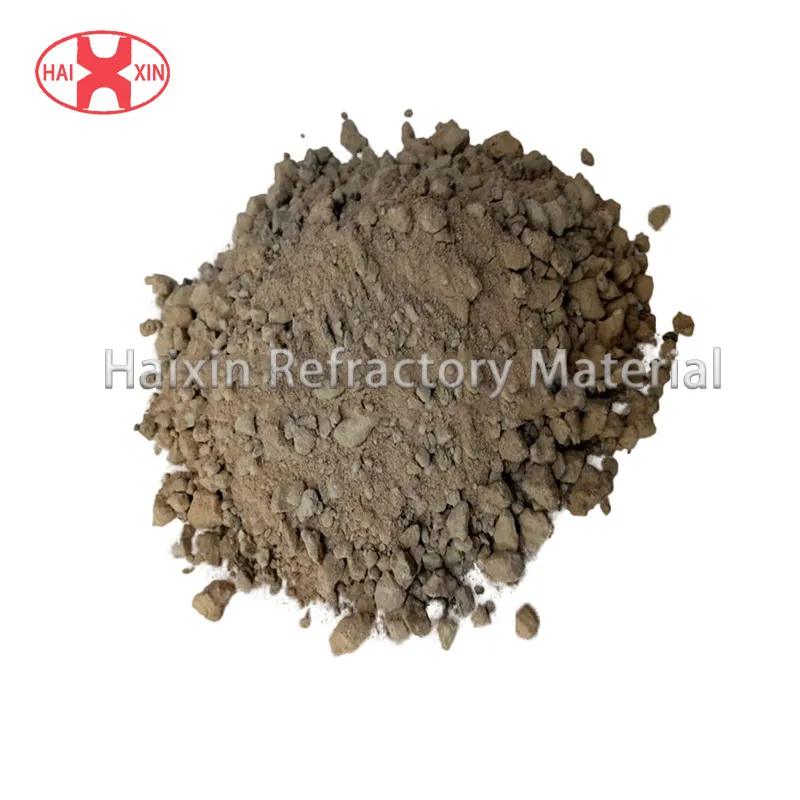
First off, let's talk about what lightweight ladle castables are. They're a type of refractory material designed for use in ladles, which are used to transport and hold molten metal. Unlike traditional castables, lightweight ladle castables have a lower density, which brings a whole bunch of benefits.
One of the biggest advantages is energy savings. When you use lightweight ladle castables, the overall weight of the ladle is reduced. This means less energy is needed to heat up the ladle and keep the molten metal at the right temperature. In a foundry or steel mill, where energy costs can be a major expense, this can lead to significant savings over time. It's like getting more bang for your buck when it comes to energy consumption.
Another great thing about lightweight ladle castables is their improved thermal insulation. They have better insulating properties compared to heavier castables. This helps to minimize heat loss from the molten metal, which is crucial for maintaining the quality of the metal. When the metal stays at a consistent temperature, it's less likely to solidify prematurely or develop defects. It also means that the ladle can be used for longer periods without having to constantly reheat the metal, increasing productivity.
Lightweight ladle castables are also easier to install and handle. Their lower weight makes them more manageable during the installation process. Workers don't have to struggle as much to move and place the castables, which can reduce the risk of injuries and speed up the installation time. This is especially important in a busy industrial setting where time is of the essence.
In addition, these castables have good resistance to thermal shock. Thermal shock occurs when there are rapid changes in temperature, which can cause traditional castables to crack or break. Lightweight ladle castables are designed to withstand these sudden temperature changes, ensuring a longer lifespan for the ladle lining. This means less downtime for maintenance and replacement, which can save a lot of money in the long run.
Now, let's take a look at some of the specific applications where lightweight ladle castables really shine. For example, in the electric furnace slag line, Electric Furnace Slag Line Gunning Material can be used to provide a durable and efficient lining. The lightweight nature of the material helps to reduce the overall weight of the furnace, while still providing excellent resistance to the corrosive slag.
In the converter, Converter Large Surface Filling Material made from lightweight ladle castables can be used to fill large surface areas. This material is easy to apply and provides good insulation, helping to improve the efficiency of the converter.
And for those who need to drain molten metal, Chromium Drainage Agents can be used in combination with lightweight ladle castables. These agents help to ensure a smooth and efficient drainage process, while the lightweight castables provide the necessary support and insulation.
So, if you're in the market for ladle castables, I highly recommend considering lightweight options. They offer a range of benefits that can improve your operations, save you money, and increase the lifespan of your equipment. Whether you're a small foundry or a large steel mill, these materials can make a big difference.
If you're interested in learning more about our lightweight ladle castables or have any questions about how they can be used in your specific application, don't hesitate to reach out. We're here to help you find the best solution for your needs. Just drop us a line and we'll be happy to have a chat and discuss your requirements.
References

- Industry reports on refractory materials
- Research studies on energy efficiency in foundries and steel mills