

Hey there! As a supplier of refractory bricks, I've had my fair share of experiences with installing these bad boys in soaking pits. So, I thought I'd share some insights on how you can go about installing refractory bricks in a soaking pit.
First off, let's talk about what a soaking pit is. A soaking pit is a type of furnace used in the steel industry to heat steel ingots or billets to a uniform temperature before they're rolled or forged. Refractory bricks are used to line the inside of the soaking pit to protect it from the high temperatures and corrosive environments.
Pre - installation Preparation
Before you start installing the refractory bricks, you need to do some prep work. The first thing is to clean the soaking pit thoroughly. Any dirt, debris, or old refractory material left inside the pit can affect the adhesion and performance of the new bricks. Use a wire brush or a pneumatic hammer to remove all the loose stuff.
Next, you'll need to measure the dimensions of the soaking pit accurately. This is crucial because you want to make sure you have the right number of bricks and that they'll fit properly. You can use a measuring tape or a laser measuring device for this. Based on these measurements, you can calculate the quantity of each type of refractory brick you'll need.
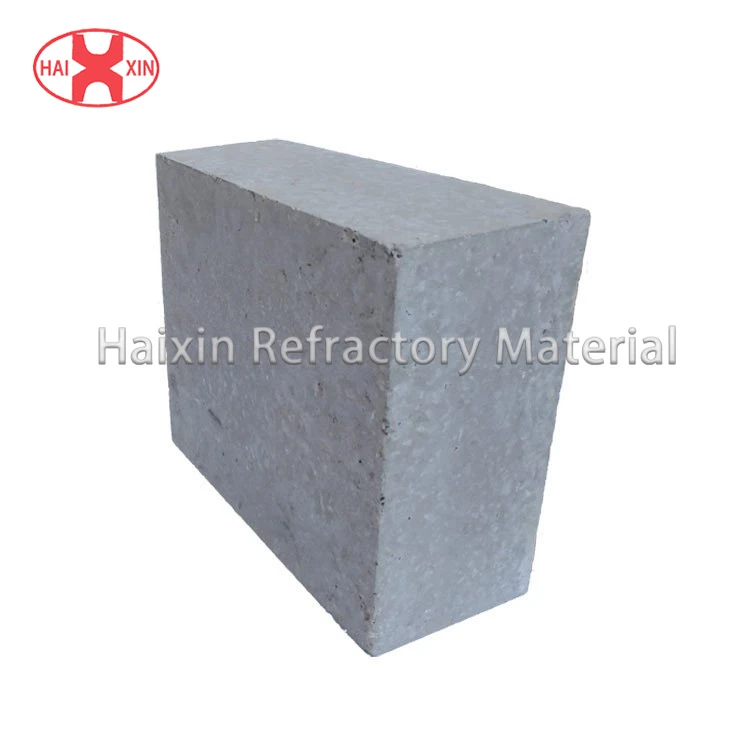

Now, let's talk about the types of refractory bricks. We offer a variety of high - quality bricks suitable for soaking pits. For example, Corundum Mullite Bricks are great for their high refractoriness and good thermal shock resistance. They can withstand the extreme heat in the soaking pit without breaking down easily. Another option is Phosphate Brick TP - 1, which has excellent chemical stability and can resist the corrosion caused by the molten metal and slag in the pit. And if you're looking for something with high strength and wear resistance, High Strength Wear Resistant Refractory Bricks are a top choice.
Mixing the Mortar
Once you've got your bricks ready, it's time to mix the mortar. The mortar is what holds the bricks together. You need to use a mortar that's specifically designed for refractory bricks. Follow the manufacturer's instructions on the packaging to mix the mortar. Usually, you'll need to add water gradually while stirring to get the right consistency. The mortar should be thick enough to hold the bricks in place but still spreadable.
Laying the First Course
Now, let's start laying the bricks. Begin with the bottom layer, also known as the first course. You want to make sure the bricks are laid in a straight line. You can use a level to check the horizontal alignment of the bricks. Start from one corner of the soaking pit and work your way across. Apply a layer of mortar on the surface where the bricks will be placed, and then press the bricks firmly into the mortar. Make sure there are no gaps between the bricks. You can use a trowel to adjust the position of the bricks and to smooth out the mortar around them.
Vertical and Horizontal Joints
As you continue laying the bricks, pay close attention to the joints. The vertical joints between the bricks should be consistent in width. You can use spacers to ensure this. The horizontal joints also need to be even. A good rule of thumb is to keep the joint width between 3 - 5 mm. This allows for some expansion and contraction of the bricks due to the temperature changes in the soaking pit.
Bond Patterns
There are different bond patterns you can use when laying the refractory bricks. The most common ones are the running bond and the stack bond. In a running bond, each brick is offset by half its length from the one below it. This provides better stability and strength to the wall. A stack bond, on the other hand, has the bricks aligned directly on top of each other. It's easier to lay but may not be as strong as the running bond. For soaking pits, the running bond is often preferred because of the high - stress environment.
Cutting Bricks
Sometimes, you'll need to cut bricks to fit around corners, edges, or to fill in gaps. You can use a brick saw or a grinder for this. When cutting the bricks, make sure you wear safety goggles and a dust mask to protect yourself from the dust. Measure twice and cut once to ensure accurate cuts.
Checking for Level and Plumb
As you build up the wall of refractory bricks, regularly check for level and plumb. Use a level to make sure the wall is horizontal, and a plumb bob to check if it's vertical. If the wall is not level or plumb, it can cause problems later on, such as uneven heat distribution or structural instability.
Completing the Installation
Once you've laid all the bricks, you need to finish the installation. This includes cleaning up any excess mortar from the joints and the surface of the bricks. You can use a wire brush or a damp cloth for this. After that, you should let the mortar cure for the recommended time. This usually takes a few days, depending on the type of mortar and the environmental conditions.
Post - installation Inspection
After the mortar has cured, do a thorough inspection of the installed refractory bricks. Look for any cracks, loose bricks, or uneven joints. If you find any issues, you should address them immediately. For example, if a brick is loose, you can remove it, clean the area, and re - install it with fresh mortar.
Why Choose Our Refractory Bricks?
We take pride in offering high - quality refractory bricks. Our bricks are made from the best raw materials and are manufactured using advanced techniques. They have been tested in various industrial environments to ensure they meet the highest standards. Whether you need bricks for a small - scale soaking pit or a large - scale industrial furnace, we've got you covered.
If you're in the market for refractory bricks for your soaking pit or any other industrial application, we'd love to have a chat with you. We can help you choose the right type of bricks based on your specific requirements and provide you with a competitive quote. Don't hesitate to reach out to us for more information and to start the procurement process.
References
- "Refractory Materials Handbook" - A comprehensive guide on refractory materials and their applications.
- Industry standards and guidelines for refractory brick installation in soaking pits.