

What is the Carbon Content Influence on Heating Furnace Castables?
As a heating furnace castables supplier, I am frequently asked about the various factors that can affect the performance of our products. One such crucial factor is the carbon content in heating furnace castables. In this blog post, I will delve into the details of how carbon content influences heating furnace castables and why it matters for your furnace operations.
The Role of Carbon in Heating Furnace Castables
Carbon is often added to heating furnace castables for several reasons. Firstly, it can improve the thermal shock resistance of the castables. Thermal shock occurs when a material is subjected to rapid temperature changes, which can cause cracking and spalling. Carbon has a relatively low coefficient of thermal expansion, which means it can better withstand these temperature fluctuations without significant damage. This property is particularly important in heating furnaces, where the temperature can vary widely during the heating and cooling cycles.
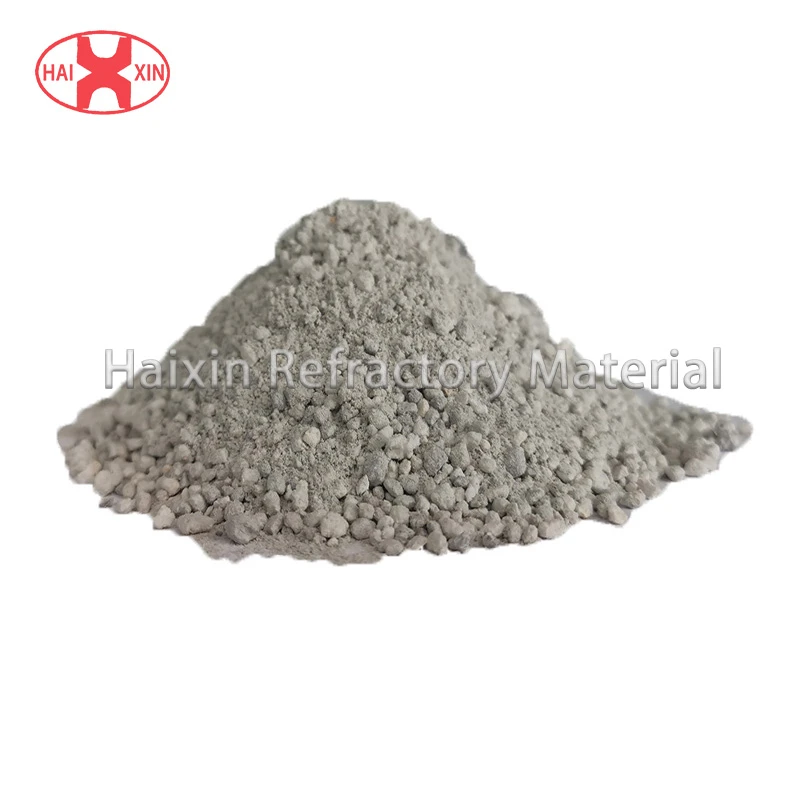

Secondly, carbon can enhance the corrosion resistance of the castables. In many industrial heating processes, the furnace environment can be highly corrosive due to the presence of various chemicals and gases. Carbon has good chemical stability and can form a protective layer on the surface of the castables, preventing the penetration of corrosive substances and extending the service life of the lining.
However, the influence of carbon content is not always positive, and it needs to be carefully controlled to achieve the best performance of the heating furnace castables.
Positive Influences of Appropriate Carbon Content
Improved Thermal Conductivity
When the carbon content is within an appropriate range, it can increase the thermal conductivity of the castables. This is beneficial because it allows for more efficient heat transfer within the furnace lining. In a heating furnace, efficient heat transfer means faster heating of the materials being processed, which can lead to increased productivity and energy savings. For example, in a steel - making heating furnace, better thermal conductivity can reduce the time required to heat the steel billets to the desired temperature, thereby improving the overall production efficiency.
Enhanced Mechanical Properties
Appropriate carbon addition can also improve the mechanical properties of the castables. Carbon can act as a reinforcing agent, increasing the strength and toughness of the castables. This is especially important in high - temperature and high - stress environments, such as in the hearth or the burner area of a heating furnace. The enhanced mechanical properties can prevent the castables from cracking and breaking under the combined action of thermal stress and mechanical load, ensuring the structural integrity of the furnace lining.
Negative Influences of Excessive Carbon Content
Oxidation and Volatilization
One of the main problems with excessive carbon content is oxidation. At high temperatures, carbon can react with oxygen in the furnace atmosphere to form carbon monoxide or carbon dioxide. This oxidation process not only reduces the carbon content in the castables but also creates pores and cracks in the lining. As the carbon is consumed, the protective and reinforcing effects provided by carbon are gradually lost, leading to a decrease in the performance of the castables. Moreover, the oxidation of carbon can cause weight loss and dimensional changes in the castables, which can affect the fit and stability of the furnace lining.
Slag Penetration and Erosion
Excessive carbon can also promote slag penetration and erosion. In some heating processes, slag is generated as a by - product. The presence of a large amount of carbon in the castables can make the lining more susceptible to slag penetration. The slag can react with the carbon and other components in the castables, causing chemical erosion and weakening the structure of the lining. This can significantly reduce the service life of the heating furnace castables and increase the maintenance cost.
Controlling Carbon Content in Heating Furnace Castables
To optimize the performance of heating furnace castables, it is essential to control the carbon content accurately. This requires a comprehensive understanding of the specific requirements of the heating furnace, including the operating temperature, the type of materials being processed, and the furnace atmosphere.
In general, different types of heating furnace castables have different optimal carbon content ranges. For example, our High Strength and Lightweight Castable is designed with a specific carbon content to achieve a balance between lightweight and high - strength performance. The carbon content is carefully adjusted to ensure good thermal shock resistance and corrosion resistance while maintaining the overall lightness of the castable, which is beneficial for reducing the weight of the furnace lining and improving energy efficiency.
Our Steel Fiber Reinforced Castable also takes into account the carbon content. The addition of steel fibers and the appropriate amount of carbon work together to enhance the mechanical properties of the castable. The carbon helps to improve the thermal shock resistance, while the steel fibers increase the strength and toughness, making the castable suitable for high - stress areas in the heating furnace.
Another product, the 60 Self - flowing Castable, has its carbon content optimized for self - flowing properties and high - temperature performance. The right amount of carbon ensures that the castable can flow smoothly during installation and maintain good performance under high - temperature conditions.
Conclusion
In conclusion, the carbon content has a significant influence on the performance of heating furnace castables. Appropriate carbon content can bring many benefits, such as improved thermal shock resistance, corrosion resistance, thermal conductivity, and mechanical properties. However, excessive carbon content can lead to oxidation, slag penetration, and other problems that can degrade the performance of the castables.
As a heating furnace castables supplier, we have rich experience in formulating and producing castables with different carbon contents to meet the diverse needs of our customers. We understand that each heating furnace application is unique, and we are committed to providing the most suitable castable solutions.
If you are looking for high - quality heating furnace castables and want to discuss the carbon content and other aspects of the products, we invite you to contact us for procurement negotiations. Our team of experts is ready to assist you in choosing the best castables for your specific heating furnace requirements.
References
- [1] Zhang, X., & Wang, Y. (2018). Influence of carbon content on the properties of refractory castables for heating furnaces. Journal of Refractories, 22(3), 156 - 162.
- [2] Li, H., & Liu, Z. (2020). Study on the oxidation behavior of carbon - containing castables in high - temperature environments. Thermal Engineering, 35(4), 210 - 216.
- [3] Wang, S., & Chen, J. (2019). Optimization of carbon content in heating furnace castables for improved performance. Industrial Furnaces, 40(2), 88 - 94.