

When it comes to high - temperature insulation solutions, polycrystalline mullite fiber is a top - notch choice. As a polycrystalline mullite fiber supplier, I've seen firsthand how important it is for customers to make the right selection. There are several factors that you should take into account when choosing polycrystalline mullite fiber.
Temperature Resistance
One of the most critical factors is temperature resistance. Polycrystalline mullite fiber can withstand extremely high temperatures, making it ideal for industries like metallurgy, ceramics, and glass manufacturing. Different applications have different temperature requirements. For example, in a steel - making furnace, the temperature can reach well over 1000°C. You need a polycrystalline mullite fiber that can maintain its structural integrity and insulation properties at such high temperatures.
If the fiber can't handle the temperature, it may start to shrink, lose its insulation efficiency, or even break down. So, before you make a purchase, figure out the maximum temperature your application will reach. Make sure the fiber you choose has a temperature rating that exceeds this value. This way, you'll have a safety margin and ensure long - term performance.
Chemical Resistance
In many industrial settings, polycrystalline mullite fiber may come into contact with various chemicals. These can include acids, alkalis, and molten metals. Chemical reactions can damage the fiber, reducing its lifespan and insulation effectiveness.
For instance, in a chemical processing plant, the fiber may be exposed to corrosive acids. If it's not chemically resistant, the acid can eat away at the fiber, causing it to degrade. So, consider the chemical environment where the fiber will be used. Check the chemical resistance data provided by the supplier. Some fibers are treated to enhance their chemical resistance, and these may be a better choice for harsh chemical environments.
Physical Properties
The physical properties of polycrystalline mullite fiber also matter a lot. Things like density, thermal conductivity, and mechanical strength are important.
Density
The density of the fiber affects its insulation performance. Generally, a higher - density fiber has better insulation properties. However, it may also be heavier and more expensive. You need to strike a balance between insulation performance and cost. If you're working on a project with strict weight limitations, a lower - density fiber might be more suitable, even if its insulation isn't as good.
Thermal Conductivity
Thermal conductivity is a measure of how well the fiber transfers heat. A lower thermal conductivity means better insulation. When choosing a fiber, look for one with a low thermal conductivity value. This will help keep the heat where it's supposed to be and reduce energy consumption.
Mechanical Strength
Mechanical strength is crucial, especially if the fiber will be subject to mechanical stress. For example, in a vibrating equipment or a moving part, the fiber needs to be strong enough not to break or crumble. Some polycrystalline mullite fibers are more brittle than others. You may need to choose a fiber with higher mechanical strength for applications where it will be exposed to mechanical forces.
Fiber Form
Polycrystalline mullite fiber comes in different forms, such as Polycrystalline Mullite Fiberboard, Polycrystalline Mullite Fiber Veneer Block, and Polycrystalline Mullite Wool. Each form has its own advantages and is suitable for different applications.
Fiberboard
Fiberboards are rigid and easy to install. They're great for applications where you need a flat, stable insulation surface, like lining the walls of a furnace.
Fiber Veneer Block
Veneer blocks are more flexible than fiberboards. They can be shaped and cut more easily, making them suitable for applications with irregular shapes or where you need to make quick repairs.
Wool
Polycrystalline mullite wool is very flexible and can be stuffed into small spaces. It's often used for insulation around pipes or in gaps where other forms may not fit.
Supplier Reputation
The reputation of the supplier is another important factor. A reliable supplier will provide high - quality products and good customer service. They'll also be able to offer technical support and answer your questions.
Look for a supplier with a long - standing presence in the market. Check customer reviews and testimonials. A supplier with a lot of positive feedback is more likely to provide a good product. Also, make sure the supplier follows industry standards and regulations. This ensures that the fiber you're getting meets the required quality and safety levels.
Cost
Cost is always a consideration. However, it shouldn't be the only factor. Don't just go for the cheapest option, as it may not meet your requirements. Instead, compare the prices of different suppliers and the quality of their products.
Sometimes, a slightly more expensive fiber can offer better performance and a longer lifespan. In the long run, this can save you money on energy costs and replacement parts. So, look at the overall value rather than just the upfront price.
Installation and Maintenance
Consider how easy it is to install and maintain the polycrystalline mullite fiber. Some forms are easier to install than others. For example, wool is easier to stuff into small spaces, while fiberboards may require more complex installation procedures.
Also, think about the maintenance requirements. Some fibers may need regular inspections or occasional replacement. Make sure you understand these requirements before you make a purchase. A fiber that's difficult to install or maintain can add to your overall costs and cause disruptions in your operations.
In conclusion, selecting the right polycrystalline mullite fiber involves considering multiple factors. Temperature resistance, chemical resistance, physical properties, fiber form, supplier reputation, cost, and installation and maintenance all play important roles. By carefully evaluating these factors, you can make an informed decision and choose a fiber that meets your specific needs.
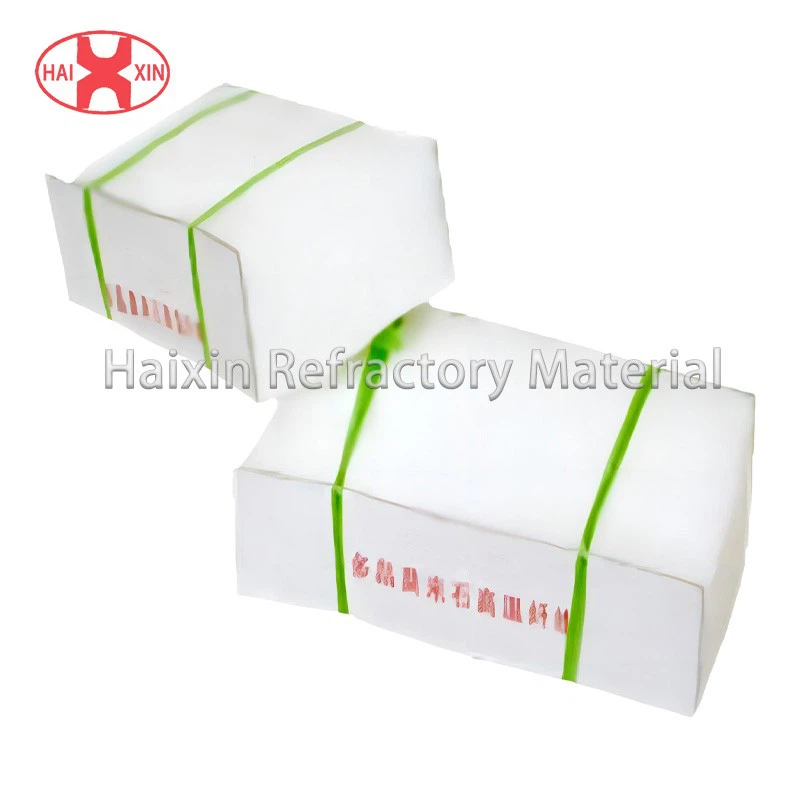

If you're interested in purchasing polycrystalline mullite fiber or have any questions about the selection process, feel free to reach out. We're here to help you find the best solution for your application.
References
- "High - Temperature Insulation Materials Handbook"
- Industry reports on polycrystalline mullite fiber applications
- Technical data sheets from leading polycrystalline mullite fiber manufacturers