

In the meat processing industry, refractory raw materials play a crucial role in ensuring the efficiency, safety, and quality of various processes. As a reliable refractory raw materials supplier, I am well - versed in the types of refractory materials that are essential for this industry. In this blog, I will explore the key refractory raw materials used in the meat processing industry and their significance.
1. Fireclay Bricks
Fireclay bricks are one of the most commonly used refractory raw materials in the meat processing industry. They are made from fireclay, which is a type of clay that can withstand high temperatures without melting or deforming. Fireclay bricks are known for their excellent thermal insulation properties. In meat processing plants, they are often used in the construction of ovens, kilns, and other heating equipment.
For example, in the process of roasting or smoking meat, the temperature inside the oven can reach several hundred degrees Celsius. Fireclay bricks can effectively maintain the high temperature inside the oven, reducing heat loss and ensuring that the meat is cooked evenly. Their relatively low cost also makes them a popular choice for meat processing facilities, especially for those on a budget.
2. Jiaobaoshi (hard Clay Clinker)
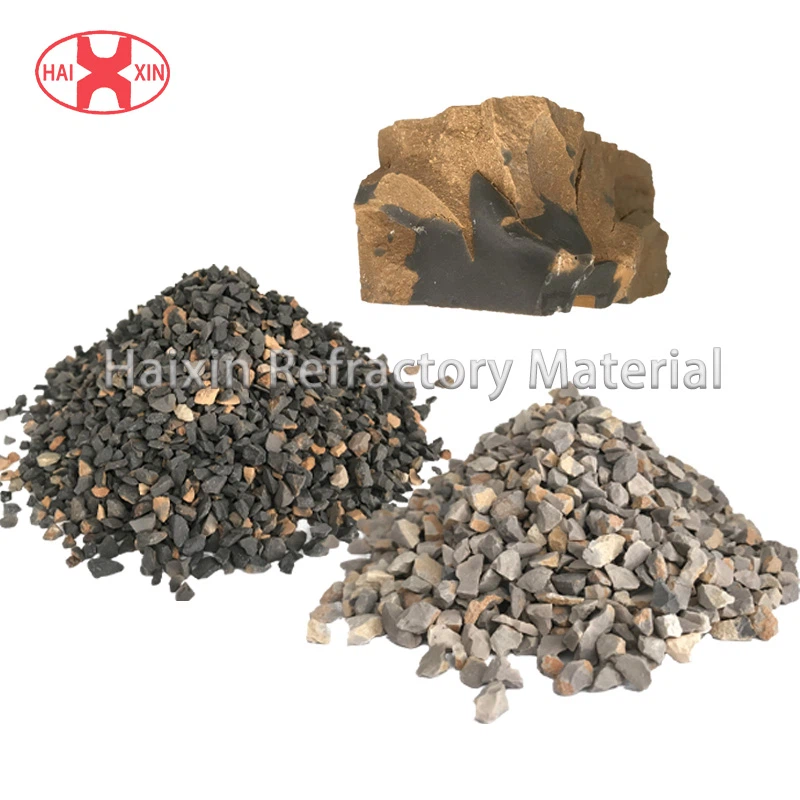
Jiaobaoshi, also known as hard clay clinker, is another important refractory raw material. It is a high - quality raw material with high alumina content and good refractoriness. Jiaobaoshi has a dense structure and high strength, which can resist the erosion of high - temperature gases and molten substances.
In the meat processing industry, Jiaobaoshi can be used in the lining of incinerators for disposing of meat waste. The high - temperature environment in the incinerator requires a refractory material that can withstand extreme heat and chemical corrosion. Jiaobaoshi meets these requirements well, providing a long - lasting and reliable lining for the incinerator. Its excellent thermal shock resistance also allows it to endure the rapid temperature changes during the incineration process without cracking or spalling.
3. Mullite
Mullite is a synthetic refractory material with unique properties. It has a high melting point, good thermal stability, and excellent mechanical strength at high temperatures. Mullite is often used in applications where high - temperature resistance and chemical stability are required.
In meat processing, mullite can be used in the manufacturing of heat exchangers. Heat exchangers are used to transfer heat between different fluids, such as hot air and cold water, in the meat processing process. Mullite's high thermal conductivity and chemical inertness make it an ideal material for heat exchanger tubes. It can efficiently transfer heat while resisting the corrosion of various substances in the meat processing environment, such as acids and salts.
4. Chrome Corundum
Chrome corundum is a high - performance refractory material composed of corundum and chromium oxide. It has excellent resistance to slag corrosion, high - temperature strength, and thermal shock resistance.
In the meat processing industry, chrome corundum can be used in the lining of some high - temperature processing equipment, such as melting furnaces for rendering animal fats. The high - temperature and corrosive environment in the melting furnace require a refractory material that can withstand the attack of molten fats and other substances. Chrome corundum provides a protective lining that can prevent the furnace walls from being damaged by the corrosive molten materials, ensuring the normal operation of the fat - rendering process.
5. Magnesite - Chrome Bricks
Magnesite - chrome bricks are made from a mixture of magnesite and chromium oxide. They have high refractoriness and good resistance to basic slag corrosion. In the meat processing industry, these bricks are often used in the lining of some large - scale high - temperature equipment, such as large - capacity ovens or industrial - scale incinerators.

The basic environment in these equipment can cause corrosion to ordinary refractory materials. Magnesite - chrome bricks can resist this corrosion effectively, maintaining the integrity of the lining and extending the service life of the equipment. Their high - temperature strength also allows them to support the weight of the structure and the materials inside the equipment under high - temperature conditions.
6. Alumina - Silica Fibers
Alumina - silica fibers are lightweight and highly insulating refractory materials. They have low thermal conductivity, which can significantly reduce heat loss. These fibers are often used as insulation materials in the walls and ceilings of meat processing plants' heating equipment.
For example, in the insulation of large - scale meat cooking chambers, alumina - silica fibers can be installed between the outer shell and the inner lining of the chamber. This insulation layer can keep the heat inside the chamber, improving energy efficiency and reducing operating costs. Their flexibility also makes them easy to install in complex - shaped equipment.
The Importance of Refractory Raw Materials in Meat Processing
The use of appropriate refractory raw materials in the meat processing industry is of great significance. Firstly, it ensures the safety of the processing process. High - quality refractory materials can prevent the leakage of high - temperature substances, reducing the risk of fire and explosion in the processing plant.
Secondly, refractory raw materials improve the efficiency of meat processing. By maintaining a stable high - temperature environment, they can speed up the cooking, roasting, and other processing processes, increasing the production capacity of the plant.
Finally, the use of refractory materials can also improve the quality of meat products. For example, even and stable high - temperature conditions in the oven can ensure that the meat is cooked evenly, resulting in better - tasting and more hygienic meat products.
Conclusion
In conclusion, the meat processing industry relies heavily on a variety of refractory raw materials to operate efficiently and safely. From fireclay bricks to high - performance materials like mullite and chrome corundum, each refractory material has its unique properties and applications. As a refractory raw materials supplier, I am committed to providing high - quality products to meet the diverse needs of the meat processing industry.
If you are in the meat processing industry and are looking for reliable refractory raw materials, I invite you to contact me for procurement and negotiation. I have a wide range of refractory products in stock and can offer customized solutions according to your specific requirements. Let's work together to ensure the smooth operation of your meat processing business.
References
- "Refractory Materials Handbook", published by a well - known refractory materials research institution.
- Industry reports on meat processing technology and equipment, which include information on the use of refractory materials.