

Hey there! As a Mullite supplier, I've seen firsthand the ins and outs of this amazing material. One of the most fascinating aspects about Mullite is how heat treatment can really change its properties. In this blog post, I'll dig into what heat treatment does to Mullite and why it matters for all sorts of applications.
What's Mullite Anyway?
Before we jump into the effects of heat treatment, let's quickly go over what Mullite is. Mullite is a type of refractory material that's super useful in a bunch of industries. It's known for its high melting point, good thermal shock resistance, and low thermal expansion. These properties make it a go - to material for things like furnace linings, kiln furniture, and even in some aerospace applications. You can learn more about it on this Mullite page.
Why Heat Treatment?
Heat treatment is a process where we expose materials to controlled heating and cooling cycles. When it comes to Mullite, heat treatment can be used to tweak its structure and properties to better fit specific needs. It's like custom - tailoring a suit for Mullite so it can perform at its best in different environments.
Effects on Crystal Structure
One of the most significant effects of heat treatment on Mullite is its impact on the crystal structure. At lower temperatures, Mullite has a certain crystal arrangement. But as we heat it up, the atoms start to move around more. This can lead to changes in the way the crystals are formed and how they're connected to each other.

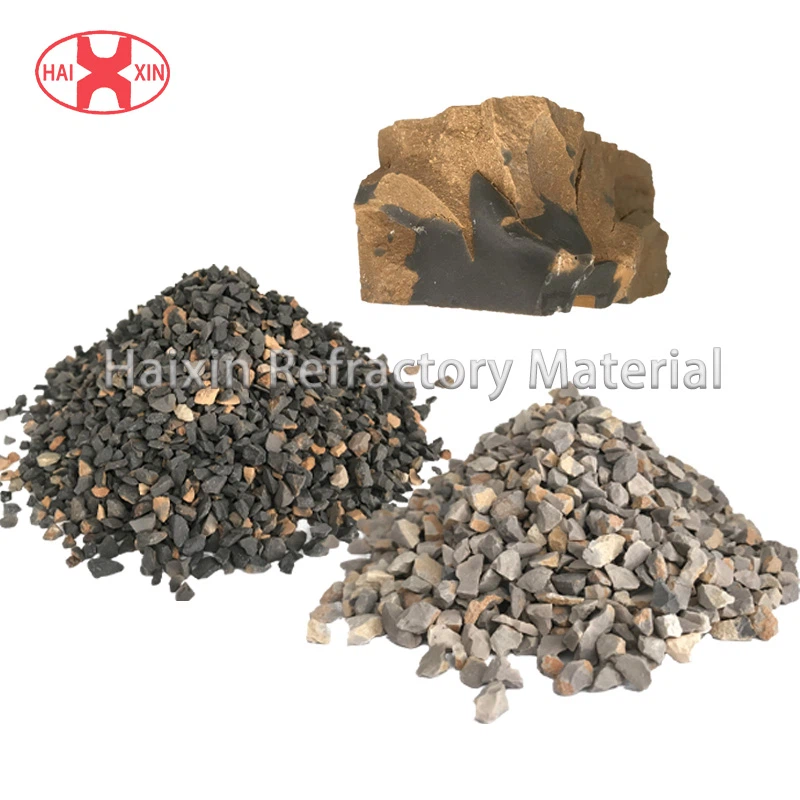
During heat treatment, the small crystals in Mullite can grow and merge together. This crystal growth makes the material more dense and organized. A more organized crystal structure often means better mechanical properties. For example, the strength of Mullite can increase after heat treatment because the larger, more continuous crystals can better withstand stress.
Mechanical Properties
The changes in crystal structure due to heat treatment have a big influence on Mullite's mechanical properties. First off, as I mentioned, the strength of Mullite usually goes up. This is crucial in applications where the material needs to support heavy loads or withstand mechanical forces.
Hardness is another mechanical property that can be affected. Heat treatment can make Mullite harder, which means it's more resistant to wear and tear. In industries like manufacturing, where parts are in constant motion and rubbing against each other, a harder Mullite can last much longer.
On the flip side, heat treatment can also make Mullite more brittle in some cases. If the heat treatment process isn't carefully controlled, the rapid changes in the crystal structure can create internal stresses. These stresses can cause the material to crack more easily when it's under stress. So, it's all about finding the right heat treatment parameters to get the best balance of strength and toughness.
Thermal Properties
Mullite is already known for its great thermal properties, but heat treatment can take them to the next level. One of the key thermal properties is thermal expansion. Heat treatment can reduce the thermal expansion of Mullite, which is a huge advantage in applications where the material is exposed to high - temperature changes.
For example, in a furnace, the temperature can fluctuate a lot. If the material has a high thermal expansion, it can expand and contract too much, leading to cracks and failure. A lower thermal expansion means that Mullite can better withstand these temperature changes without breaking.
Another important thermal property is thermal conductivity. Heat treatment can also affect how well Mullite conducts heat. In some cases, we can use heat treatment to make Mullite a better insulator, which is useful in applications where we want to keep the heat in or out.
Chemical Stability
Heat treatment can also improve the chemical stability of Mullite. When Mullite is heated, the surface of the material can form a protective layer. This layer helps to prevent chemical reactions with other substances in the environment.
In industries where Mullite is exposed to harsh chemicals, like in the chemical processing industry, this improved chemical stability is a huge plus. It means that the Mullite parts can last longer without being corroded or damaged by the chemicals.
Applications and the Role of Heat - Treated Mullite
Now that we know how heat treatment affects Mullite's properties, let's look at how this plays out in real - world applications.
In the steel industry, heat - treated Mullite is used for furnace linings. The high strength and low thermal expansion of heat - treated Mullite make it perfect for withstanding the extreme temperatures and mechanical stresses inside the furnaces.
In the ceramic industry, Mullite is often used as kiln furniture. The improved hardness and chemical stability after heat treatment mean that the kiln furniture can last longer and provide a more stable platform for firing ceramic products.
Other Related Materials
Mullite isn't the only refractory material out there. There are other materials like Bauxite and Chrome Corundum that are also important in the refractory industry. Each material has its own unique properties, and sometimes they're used in combination to get the best performance.
Bauxite is a common raw material for making refractory products. It has good refractoriness and can be used in different types of furnaces. Chrome Corundum, on the other hand, is known for its high - temperature resistance and chemical stability. It's often used in applications where there's a lot of chemical corrosion.
Conclusion
In conclusion, heat treatment has a profound impact on the properties of Mullite. It can change the crystal structure, improve mechanical and thermal properties, and enhance chemical stability. These changes make Mullite even more versatile and useful in a wide range of industries.
If you're in the market for high - quality Mullite products, whether it's for a simple furnace lining or a complex aerospace application, I'd love to talk to you. Heat - treated Mullite can offer the performance and durability you need. Don't hesitate to reach out for more information or to start a procurement discussion.
References
- Smith, J. (2018). "Advanced Refractory Materials: Properties and Applications". Publisher: Industrial Press.
- Brown, A. (2020). "Thermal Processing of Ceramic Materials". Journal of Ceramics Research, Vol. 35, pp. 78 - 92.