

Controlling the curing temperature of heating furnace castables is a critical process that significantly influences the final performance and longevity of the lining. As a trusted supplier of heating furnace castables, we understand the challenges and intricacies involved in this process. In this blog, we will explore the importance of temperature control during the curing of heating furnace castables and provide practical strategies to achieve optimal results.
The Significance of Curing Temperature
Curing is a chemical process in which the water in the castable reacts with the cementitious materials to form a strong, durable structure. The temperature at which this process occurs plays a pivotal role in determining the quality of the cured castable.
- Strength Development: Adequate curing temperature is essential for the proper hydration of the cement in the castable. If the temperature is too low, the hydration process slows down, leading to incomplete strength development. On the other hand, excessively high temperatures can cause rapid evaporation of water, resulting in cracking and reduced strength.
- Dimensional Stability: Temperature variations during curing can cause the castable to expand or contract. If these changes are not properly managed, they can lead to internal stresses within the castable, which may result in cracking and spalling over time.
- Resistance to Thermal Shock: Proper temperature control during curing helps to improve the castable's resistance to thermal shock. A well - cured castable can better withstand sudden changes in temperature without cracking, which is crucial for the performance of heating furnaces.
Different Types of Heating Furnace Castables and Their Curing Requirements
We offer a variety of heating furnace castables, each with its own unique curing temperature requirements.
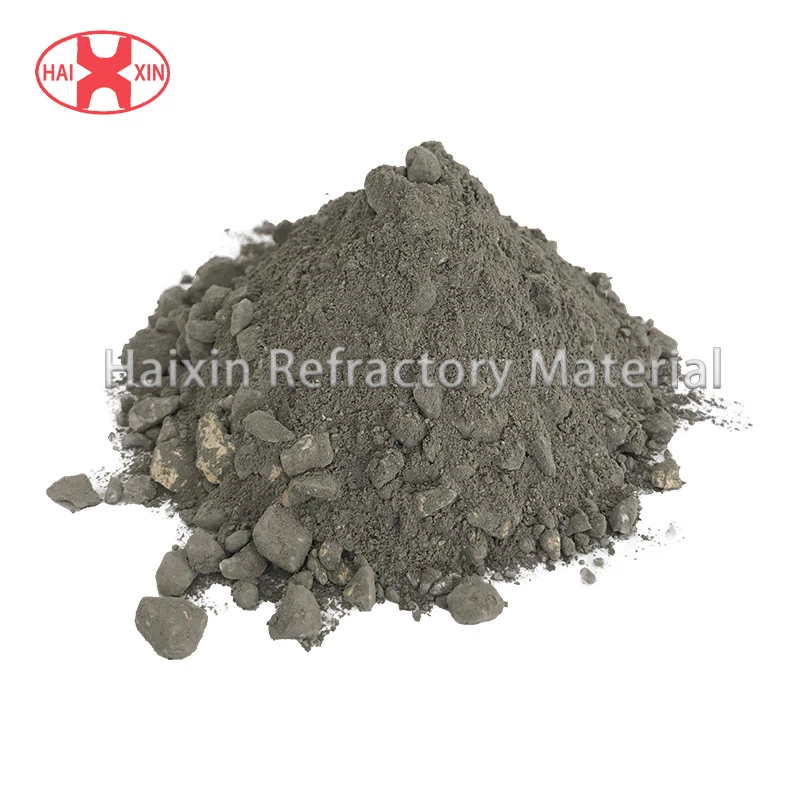

- Steel Fiber Reinforced Castable: This type of castable contains steel fibers that enhance its strength and resistance to cracking. During curing, the temperature should be maintained within a moderate range to allow for proper fiber - matrix bonding and cement hydration. A gradual increase in temperature is recommended to prevent damage to the steel fibers.
- Quick Drying Explosion Proof Castable: As the name suggests, this castable is designed for quick drying. However, it still requires careful temperature control during curing. High initial temperatures can be used to accelerate the drying process, but they must be carefully regulated to avoid explosion due to the rapid release of steam.
- Low Cement Refractory Castable: Low cement castables have a lower cement content, which means they require more precise temperature control during curing. The curing temperature should be maintained at an optimal level to ensure complete hydration of the remaining cementitious materials and to develop the desired strength and density.
Strategies for Controlling Curing Temperature
Here are some effective strategies for controlling the curing temperature of heating furnace castables:
Pre - installation Temperature Considerations
- Ambient Temperature: Before installing the castable, it is important to consider the ambient temperature. If the ambient temperature is too low, the castable may not set properly. In such cases, it may be necessary to pre - heat the installation area or the castable itself. Conversely, if the ambient temperature is too high, additional measures may be needed to prevent rapid drying.
- Material Temperature: The temperature of the castable materials, including the refractory aggregates, cement, and additives, can also affect the curing process. Make sure the materials are stored in a temperature - controlled environment and are at an appropriate temperature before mixing.
Curing Methods
- Insulation: Using insulation materials around the castable lining can help to maintain a stable curing temperature. Insulation reduces heat loss to the surroundings, allowing the castable to cure at a more consistent temperature. Different types of insulation materials, such as ceramic fiber blankets or refractory bricks, can be selected based on the specific requirements of the heating furnace.
- Heating Systems: In some cases, external heating systems may be required to control the curing temperature. Electric heaters, gas burners, or steam coils can be used to provide additional heat. These heating systems should be carefully monitored to ensure that the temperature is within the recommended range.
- Moisture Control: Moisture plays an important role in the curing process. While it is important to prevent excessive moisture loss, it is also necessary to ensure that there is enough ventilation to allow the steam generated during curing to escape. This can be achieved by using a combination of insulation and ventilation systems.
Monitoring and Adjusting the Temperature
- Temperature Sensors: Installing temperature sensors at various locations within the castable lining can provide real - time temperature data. This data can be used to monitor the curing process and make adjustments to the heating or insulation systems as needed.
- Thermal Imaging: Thermal imaging cameras can be used to detect temperature variations across the surface of the castable. This can help to identify areas where the temperature is not uniform and take appropriate corrective actions.
Challenges in Curing Temperature Control and Solutions
Despite the best efforts, there are often challenges in controlling the curing temperature of heating furnace castables.
- Uneven Temperature Distribution: In large - scale heating furnaces, it can be difficult to achieve a uniform temperature distribution throughout the castable lining. This can lead to uneven curing and potential performance issues. To address this problem, it is important to design the heating and insulation systems carefully and to use multiple temperature sensors to monitor the temperature at different locations.
- External Factors: External factors such as weather conditions, ventilation, and the presence of nearby equipment can also affect the curing temperature. For example, strong winds can cause rapid heat loss, while high humidity can slow down the drying process. To mitigate these effects, it may be necessary to take additional measures such as using wind breaks or dehumidifiers.
Conclusion
Controlling the curing temperature of heating furnace castables is a complex but essential process. By understanding the significance of temperature control, the specific requirements of different types of castables, and implementing effective strategies for temperature management, you can ensure the optimal performance and longevity of your heating furnace lining.
As a leading supplier of heating furnace castables, we are committed to providing high - quality products and technical support. Our team of experts can help you select the most suitable castable for your application and provide guidance on the proper curing procedures. If you are interested in purchasing our heating furnace castables or have any questions about temperature control during curing, please feel free to contact us for further discussion and business negotiation.
References
- "Refractory Technology Handbook"
- "Thermal Behavior of Heating Furnace Castables"
- "Best Practices for Curing Castables in Industrial Furnaces"