

Hey there! I'm a bauxite supplier, and today I'm gonna take you through the ins and outs of how bauxite is mined. Bauxite is a super important ore, mainly used for making aluminum, but it also has other cool applications. So, let's dig in!
Exploration
Before we can even think about mining, we gotta find where the bauxite is. Exploration is like a big treasure hunt. Geologists use all sorts of high - tech tools and old - school methods to figure out where bauxite deposits are hiding. They study the geology of an area, looking at rock formations, soil types, and even the vegetation. Sometimes, they take samples from the ground and analyze them in the lab to see if there's bauxite present.
Once they've found a promising area, they do more detailed surveys. They use things like aerial surveys with drones to get a bird's - eye view of the land. This helps them map out the size and shape of the bauxite deposit. Ground - based surveys, like drilling small holes and taking core samples, are also done. These core samples give us a good idea of how much bauxite is there and what its quality is like.
Mine Planning
After we've confirmed that there's a viable bauxite deposit, it's time to plan the mine. This is a crucial step because it determines how we're going to extract the bauxite safely and efficiently. We need to consider a bunch of factors, like the location of the deposit, the local environment, and the infrastructure in the area.
We work with engineers and environmental experts to come up with a plan. The plan includes things like where the mine entrances will be, how we're going to move the bauxite around the mine, and what kind of equipment we'll need. We also have to think about how to minimize the impact on the environment. This might involve things like creating buffer zones around the mine, protecting local wildlife habitats, and managing water runoff.
Surface Mining
Most bauxite mines are surface mines. Surface mining is used when the bauxite deposit is close to the surface. It's a relatively straightforward process compared to underground mining.
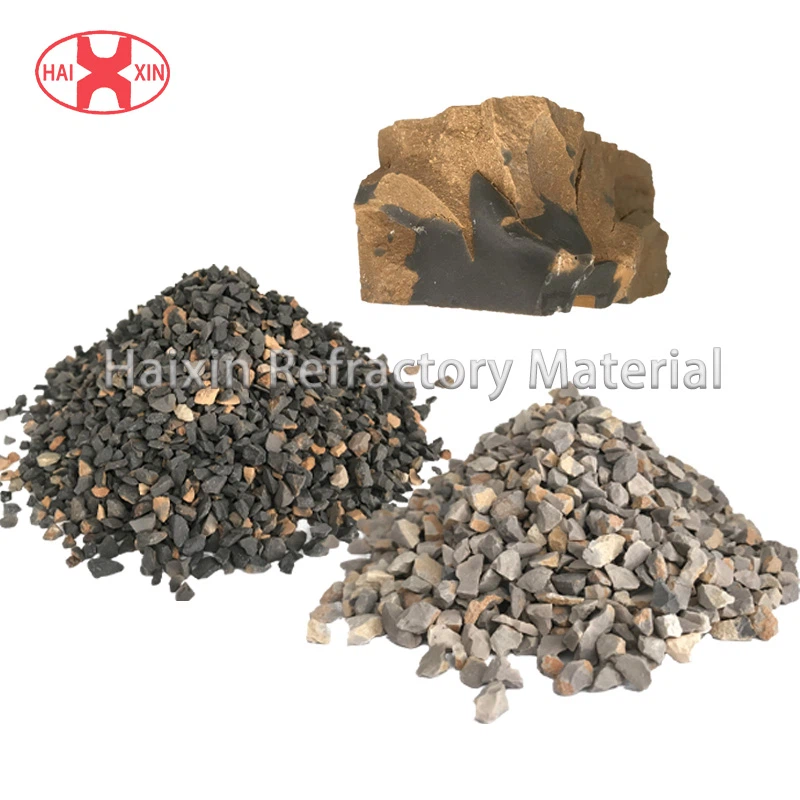

First, we remove the top layer of soil and rock, which is called the overburden. This is done using big machines like bulldozers, scrapers, and excavators. Once the overburden is removed, we can get to the bauxite ore.
The bauxite is then broken up using explosives or mechanical methods. Explosives are often used for large - scale mines. They're carefully placed in drill holes and detonated to break the bauxite into smaller pieces. Mechanical methods, like using crushers and grinders, are also used to further reduce the size of the bauxite.
After the bauxite is broken up, it's loaded onto trucks or conveyor belts and transported to a processing plant. At the processing plant, the bauxite is washed to remove any dirt and impurities. It's then sorted by size and quality.
Underground Mining
In some cases, the bauxite deposit is too deep to be mined using surface methods. That's when we turn to underground mining. Underground mining is more complex and expensive than surface mining, but it's necessary when the deposit is located deep underground.
There are different methods of underground mining, but one common method is room - and - pillar mining. In this method, we create a series of rooms in the bauxite deposit, leaving pillars of bauxite to support the roof of the mine. The bauxite is extracted from the rooms using machines like continuous miners or longwall miners.
Another method is block caving. In block caving, we drill a series of holes in the bauxite deposit and then use explosives to break the bauxite. The broken bauxite then falls to the bottom of the mine, where it can be collected and transported to the surface.
Underground mining requires a lot of safety measures. We have to make sure the mine is well - ventilated to prevent the buildup of harmful gases. We also need to monitor the stability of the mine to prevent collapses.
Processing the Bauxite
Once the bauxite is mined, it needs to be processed to turn it into a usable product. The first step in the processing is the Bayer process. The Bayer process is used to extract alumina (aluminum oxide) from the bauxite.
In the Bayer process, the bauxite is mixed with a hot solution of sodium hydroxide. This causes the alumina in the bauxite to dissolve, leaving behind the other impurities. The solution is then filtered to remove the impurities, and the alumina is precipitated out of the solution. The alumina is then calcined to remove any remaining water and turn it into a pure form of aluminum oxide.
The alumina can then be further processed to make aluminum metal. This is done using the Hall - Héroult process, which involves electrolyzing the alumina in a molten salt bath.
Other Applications of Bauxite
Bauxite isn't just used for making aluminum. It also has other applications. For example, it can be used in the production of Mullite. Mullite is a refractory material that's used in high - temperature applications, like furnaces and kilns.
Bauxite can also be used to make Chrome Corundum. Chrome corundum is another refractory material that's known for its high - temperature resistance and chemical stability.
And if you're in the foundry industry, bauxite can be used to make Precision Foundry Sand, Foundry Sand, Foundry Flour. These materials are used in the casting process to make metal parts.
Why Choose Our Bauxite
As a bauxite supplier, we take pride in providing high - quality bauxite. Our bauxite is mined using the latest technology and sustainable practices. We ensure that our mining operations have a minimal impact on the environment and that we comply with all the relevant regulations.
We offer a range of bauxite products to meet different customer needs. Whether you're in the aluminum industry, the refractory industry, or the foundry industry, we've got the right bauxite for you. Our team of experts is always available to help you choose the best product for your application.
If you're interested in purchasing bauxite, we'd love to hear from you. We can provide you with samples, detailed product information, and competitive prices. Just reach out to us, and let's start a conversation about how we can meet your bauxite needs.
References
- "Bauxite Mining and Alumina Refining: Process Description and Production Statistics" by the International Aluminium Institute.
- "Mining Engineering Handbook" edited by Hartman and Mutmansky.
- "Mineral Processing Design and Operations: An Introduction" by Andrew B. Mular, David N. Halbe, and Daniel J. Barratt.