

Hey there! As a supplier of refractory raw materials, I've been in the game for quite a while, and I've seen firsthand how the electrical conductivity of these materials can have a huge impact on their applications. So, I thought I'd share some insights with you all.
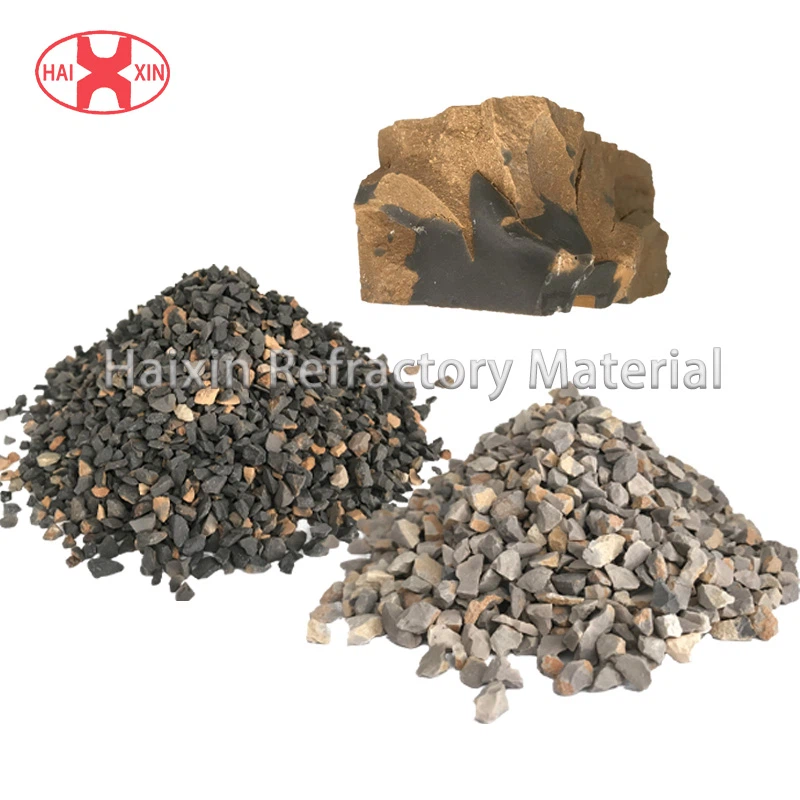
First off, let's talk about what refractory raw materials are. These are basically materials that can withstand high temperatures without melting or deforming. They're used in a whole bunch of industries, like steelmaking, glass manufacturing, and cement production. Some common refractory raw materials include Mullite, Bauxite, and Chrome Corundum.
Now, electrical conductivity is all about how well a material can conduct electricity. In the world of refractory raw materials, this property can make or break their usefulness in certain applications.
Low Electrical Conductivity in Refractory Materials
A lot of refractory raw materials have low electrical conductivity, and this is actually a good thing in many cases. For example, in the steelmaking industry, electric arc furnaces are used to melt scrap metal. The refractory lining of these furnaces needs to have low electrical conductivity. Why? Well, if the lining conducted electricity well, it would create a short - circuit. This could lead to a loss of energy, damage to the furnace, and even safety hazards.
Mullite is a great example of a refractory raw material with low electrical conductivity. It's a ceramic material that's known for its high - temperature stability and low thermal expansion. Because of its low electrical conductivity, mullite is often used in the linings of electrical furnaces and other high - temperature electrical equipment. It acts as an insulator, preventing the flow of electricity and keeping the equipment safe and efficient.
In glass manufacturing, the melting process often involves the use of electric heating elements. The refractory materials used to line the glass melting furnaces need to be good insulators. Bauxite, with its relatively low electrical conductivity, is a popular choice. It helps to contain the heat within the furnace and protects the electrical components from damage.
High Electrical Conductivity in Refractory Materials
On the flip side, there are some applications where high electrical conductivity in refractory raw materials is desirable. In certain types of electrolytic cells, for example, the refractory materials need to be able to conduct electricity. These cells are used in processes like aluminum smelting. In aluminum smelting, alumina is dissolved in a molten electrolyte, and an electric current is passed through the cell to separate the aluminum from the oxygen.
Chrome Corundum can be engineered to have relatively high electrical conductivity in some cases. It can be used in the construction of electrodes or other components in electrolytic cells. The high electrical conductivity allows for the efficient transfer of electricity through the cell, speeding up the smelting process and reducing energy consumption.
Another application where high - conductivity refractory materials are useful is in some types of sensors. High - temperature sensors often need to be made from materials that can conduct electricity while also withstanding extreme heat. Refractory materials with the right electrical conductivity can be used to make these sensors more accurate and reliable.
Impact on Material Selection
The electrical conductivity of refractory raw materials plays a crucial role in material selection. When choosing a refractory material for a specific application, engineers and manufacturers need to carefully consider the electrical requirements of the process. They have to balance factors like temperature resistance, mechanical strength, and chemical stability with the electrical conductivity.
For example, if a company is building a new electric furnace, they'll start by evaluating the electrical load and the operating conditions of the furnace. If the furnace is going to operate at a very high temperature and requires good insulation, they'll likely choose a low - conductivity material like mullite or bauxite. On the other hand, if they're designing an electrolytic cell, they'll look for a high - conductivity material like chrome corundum.
Testing and Quality Control
Testing the electrical conductivity of refractory raw materials is an important part of the quality control process. There are several methods for measuring electrical conductivity, such as the four - point probe method. This method involves passing an electric current through the material using four probes and measuring the voltage drop across the material.
As a supplier, I make sure that all our refractory raw materials go through rigorous testing. We test the electrical conductivity, along with other properties like density, porosity, and thermal conductivity. This ensures that our customers get materials that meet their exact requirements.
The Future of Refractory Materials and Electrical Conductivity
As industries continue to evolve, the demand for refractory raw materials with specific electrical conductivity properties is only going to increase. For example, the development of more efficient and powerful electric vehicles is driving the need for better - performing batteries. The manufacturing processes of these batteries may require new types of refractory materials with tailored electrical conductivity.
Researchers are constantly working on developing new refractory materials or modifying existing ones to achieve the desired electrical conductivity. They're looking at things like doping the materials with different elements to change their electrical properties. This could lead to the creation of refractory materials that are even more suitable for the high - tech applications of the future.

Conclusion
So, as you can see, the electrical conductivity of refractory raw materials has a profound impact on their applications. Whether it's low - conductivity materials for insulation or high - conductivity materials for electrical transfer, each property has its place in different industries.
If you're in the market for refractory raw materials and need help choosing the right ones for your application, don't hesitate to reach out. We're here to provide you with the best quality materials and expert advice. Whether you need materials for a steelmaking furnace, a glass melting tank, or an electrolytic cell, we've got you covered.
References
- “Refractory Materials Handbook” by John Smith
- “Electrical Properties of Ceramics and Their Applications” by Jane Doe
- Industry reports on steelmaking, glass manufacturing, and aluminum smelting