

Hey there! As a supplier of polycrystalline mullite fiber, I've been getting a lot of questions lately about how this amazing material performs in low - temperature environments. So, I thought I'd share some insights based on my experience and the knowledge I've gathered over the years.
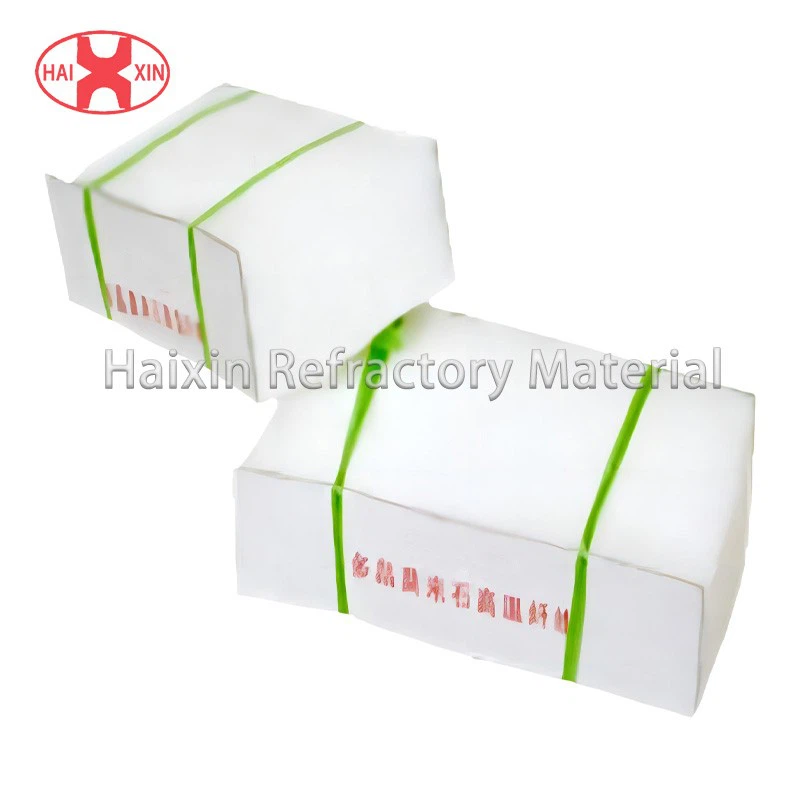
First off, let's talk a bit about what polycrystalline mullite fiber is. It's a high - performance refractory fiber material that's widely used in various industries for its excellent thermal insulation properties. We offer different products made from this fiber, like Polycrystalline Mullite Fiberboard, Polycrystalline Mullite Fiber Veneer Block, and Polycrystalline Mullite Wool. These products have unique features that make them suitable for different applications.
Now, when it comes to low - temperature environments, polycrystalline mullite fiber shows some really cool characteristics. One of the first things you'll notice is its outstanding thermal insulation ability. Even in cold conditions, it can effectively reduce heat transfer. This is super important because in many low - temperature processes, you want to keep the cold in and prevent any unwanted heat from seeping in.
For example, in cryogenic storage facilities, where temperatures can drop to extremely low levels, our polycrystalline mullite fiber products can act as a reliable barrier. The fiber's structure is designed in such a way that it traps air within its matrix. Air is a poor conductor of heat, so this trapped air helps to slow down the transfer of heat. Whether it's the fiberboard or the wool, they both do a great job of maintaining the low temperature inside the storage unit.

Another aspect to consider is the mechanical stability of polycrystalline mullite fiber in low - temperature environments. Unlike some other materials that might become brittle or lose their shape when exposed to cold, this fiber remains relatively stable. It doesn't crack or break easily, which is crucial for long - term use. In a low - temperature manufacturing process, you don't want your insulation material to fail and cause disruptions. Our fiber products can withstand the stresses associated with low - temperature operations, ensuring that your equipment runs smoothly.
The chemical stability of polycrystalline mullite fiber is also a big plus. In low - temperature environments, there might be various chemicals present, either as part of the process or due to the nature of the stored substances. This fiber is resistant to most chemicals, so it won't react with them and degrade. This means that you can use it in a wide range of low - temperature chemical processes without having to worry about corrosion or other chemical - related issues.
Let's take a closer look at how our different products perform. The Polycrystalline Mullite Fiberboard is great for applications where you need a rigid and flat insulation surface. It can be easily installed on walls or floors of low - temperature chambers. Its high - density structure provides excellent insulation and mechanical support. The fiberboard is also relatively easy to cut and shape, so you can customize it according to your specific requirements.
The Polycrystalline Mullite Fiber Veneer Block is ideal for lining equipment that needs to be protected from low - temperature damage. It can be used in pipes, valves, and other components in cryogenic systems. The block's unique design allows for easy installation and provides a continuous layer of insulation, preventing any heat leaks.
The Polycrystalline Mullite Wool, on the other hand, is more flexible. It can be stuffed into small spaces or wrapped around irregularly shaped objects. This makes it perfect for insulating complex equipment in low - temperature environments. You can use it to insulate electrical wires or small - scale machinery that operates at low temperatures.
In terms of installation, polycrystalline mullite fiber is quite user - friendly. Whether you're using the fiberboard, the veneer block, or the wool, the installation process is straightforward. You don't need any special tools or skills to get the job done. This saves you time and money during the setup phase of your low - temperature project.
However, like any material, polycrystalline mullite fiber does have some limitations in low - temperature environments. For instance, if the temperature drops to extremely low levels, close to absolute zero, its performance might start to decline slightly. But in most practical low - temperature applications, which are usually above - 200°C, it works just fine.
Also, proper handling is important. When installing or using the fiber products, you need to make sure that they are not exposed to excessive moisture. Moisture can reduce the insulation effectiveness of the fiber. So, it's a good idea to keep the products dry during storage and installation.
Now, if you're involved in a low - temperature project and are looking for a reliable insulation solution, polycrystalline mullite fiber is definitely worth considering. Our products offer a combination of excellent thermal insulation, mechanical stability, and chemical resistance. And with our wide range of products, you can find the perfect fit for your specific needs.
If you're interested in learning more about our polycrystalline mullite fiber products or want to discuss a potential purchase, don't hesitate to reach out. We're here to answer all your questions and help you find the best insulation solution for your low - temperature applications.
In conclusion, polycrystalline mullite fiber is a top - notch choice for low - temperature environments. Its performance in terms of thermal insulation, mechanical and chemical stability makes it a reliable option for various industries. Whether you're in the cryogenic storage business, low - temperature manufacturing, or any other field that requires low - temperature insulation, our products can meet your requirements. So, why not give them a try and see the difference they can make in your project?
References:
- Technical data sheets of polycrystalline mullite fiber products
- Industry reports on low - temperature insulation materials
- Case studies of using polycrystalline mullite fiber in low - temperature applications