

Hey there! As a supplier of Chrome Corundum, I've seen firsthand how its price can fluctuate. In this blog, I'm gonna break down the factors that influence the price of Chrome Corundum.
1. Raw Material Costs
The primary raw materials used in the production of Chrome Corundum are alumina and chromite. The prices of these raw materials are subject to market forces, including supply and demand dynamics, geopolitical factors, and mining regulations.
Alumina, a key component in Chrome Corundum, is typically derived from bauxite. The price of Bauxite can vary depending on factors such as the quality of the ore, the location of the mines, and the cost of extraction. For instance, if there's a shortage of high - quality bauxite in the market due to environmental restrictions on mining in major producing regions, the price of alumina will likely increase. This, in turn, will drive up the cost of producing Chrome Corundum.
Chromite, another essential raw material, is also influenced by similar factors. The global demand for stainless steel, which uses chromite, can have a significant impact on its price. If the demand for stainless steel surges, the supply of chromite available for Chrome Corundum production may decrease, leading to higher prices for chromite and ultimately for Chrome Corundum.
2. Production Process Complexity
The production of Chrome Corundum is a complex and energy - intensive process. It involves melting the raw materials at extremely high temperatures in an electric arc furnace. The energy costs associated with this process are a major factor in determining the price of Chrome Corundum.
The cost of electricity can vary greatly depending on the region. In areas where electricity is expensive, such as some parts of Europe, the production cost of Chrome Corundum will be higher. Additionally, the efficiency of the production equipment and the expertise of the workers also play a role. Outdated equipment may consume more energy and produce lower - quality Chrome Corundum, which can increase costs.
Moreover, the production process requires strict quality control measures. Any deviation from the required specifications can result in defective products, which need to be re - processed or discarded. This adds to the overall production cost and, consequently, the price of Chrome Corundum.
3. Market Demand and Supply
Like any other commodity, the price of Chrome Corundum is heavily influenced by the balance between market demand and supply. When the demand for Chrome Corundum exceeds the supply, prices tend to rise.
Chrome Corundum is widely used in the refractory industry, which includes applications in steelmaking, cement production, and glass manufacturing. If there's an increase in the production of steel or cement, the demand for Chrome Corundum as a refractory material will go up. For example, during periods of rapid infrastructure development, the construction industry's demand for cement increases, leading to a higher demand for Chrome Corundum in cement kilns.
On the other hand, if new production facilities for Chrome Corundum are established or existing ones increase their production capacity, the supply in the market will rise. If the demand doesn't grow at the same pace, the price of Chrome Corundum will likely fall.
4. Quality and Purity
The quality and purity of Chrome Corundum have a direct impact on its price. Higher - quality Chrome Corundum with a higher percentage of alumina and chromite, and lower levels of impurities, commands a higher price.
High - quality Chrome Corundum offers better refractory properties, such as higher thermal shock resistance and corrosion resistance. These properties make it more suitable for demanding applications in industries like steelmaking, where the refractory materials are exposed to extreme temperatures and harsh chemical environments.
Manufacturers often invest in advanced purification and processing techniques to produce high - quality Chrome Corundum. These techniques increase the production cost but also result in a product that can be sold at a premium price.
5. Transportation and Logistics
Transportation costs are an important factor in determining the final price of Chrome Corundum. The raw materials need to be transported to the production facility, and the finished product needs to be delivered to the customers.
The distance between the raw material sources, the production plant, and the customers can significantly affect the transportation cost. For example, if a Chrome Corundum production plant is located far from the bauxite mines or chromite deposits, the cost of transporting the raw materials will be high. Similarly, if the customers are located in remote areas, the cost of delivering the Chrome Corundum will increase.
In addition, factors such as fuel prices, shipping regulations, and the availability of transportation infrastructure can also impact the transportation cost. Fluctuations in fuel prices, for instance, can cause the transportation cost to rise or fall, which will be reflected in the price of Chrome Corundum.
6. Competition in the Market
The level of competition in the Chrome Corundum market also affects its price. In a highly competitive market, suppliers may lower their prices to attract more customers. This can be due to the presence of many suppliers offering similar products or the entry of new players into the market.
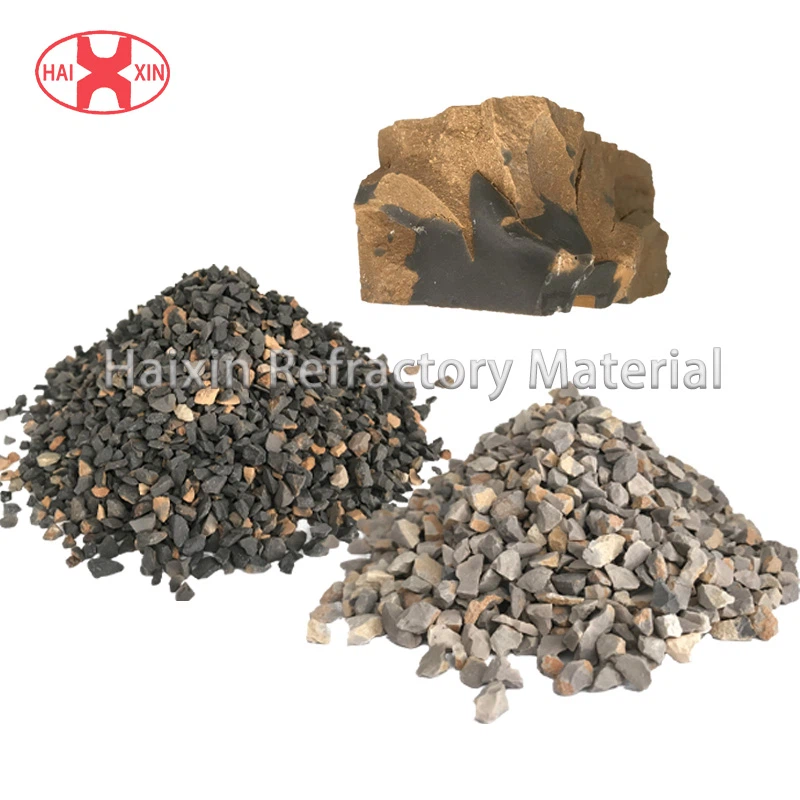

New suppliers may try to gain market share by offering lower - priced Chrome Corundum. However, this may also lead to a decrease in the overall quality of the products in the market. On the other hand, if there are only a few dominant suppliers, they may have more control over the price and may be able to set higher prices.
7. Substitute Materials
The availability and price of substitute materials can influence the price of Chrome Corundum. Some materials, such as Mullite and Synthetic M47 Mullite (Synthetic Dense Alumina Silicate Aggregate), can be used as alternatives to Chrome Corundum in certain applications.
If the price of these substitute materials is lower and they offer similar performance, customers may switch to using them instead of Chrome Corundum. This can reduce the demand for Chrome Corundum and put downward pressure on its price. Suppliers of Chrome Corundum need to be aware of the prices and properties of substitute materials and adjust their prices accordingly to remain competitive.
In conclusion, the price of Chrome Corundum is influenced by a multitude of factors, from raw material costs and production complexity to market demand and competition. As a supplier, I constantly monitor these factors to ensure that I can offer my customers the best possible price without compromising on quality.
If you're interested in purchasing Chrome Corundum or have any questions about its price and quality, feel free to reach out for a procurement discussion. I'm here to provide you with the most suitable solutions for your needs.
References
- "Refractory Materials Handbook"
- Industry reports on raw material prices and market trends
- Academic research on the production and properties of Chrome Corundum