

Hey there! As a supplier of refractory raw materials, I often get asked about the firing processes for these materials. In this blog post, I'll break down the firing processes, explain why they're important, and share some insights based on my experience in the industry.
Why Firing is Crucial for Refractory Raw Materials
Before we dive into the firing processes, let's talk about why firing is so important for refractory raw materials. Refractory materials are used in high - temperature applications, like furnaces, kilns, and foundries. They need to withstand extreme heat, chemical corrosion, and mechanical stress. Firing helps to transform the raw materials into a more stable and durable form. It improves their density, strength, and resistance to thermal shock.
Types of Refractory Raw Materials
There are several types of refractory raw materials, and each may require a different firing process. Some common ones include:
- Mullite: Mullite is a high - performance refractory material known for its excellent thermal stability and mechanical strength. You can learn more about it here.
- Precision Foundry Sand, Foundry Sand, and Foundry Flour: These materials are widely used in the foundry industry. For more details, check out this page.
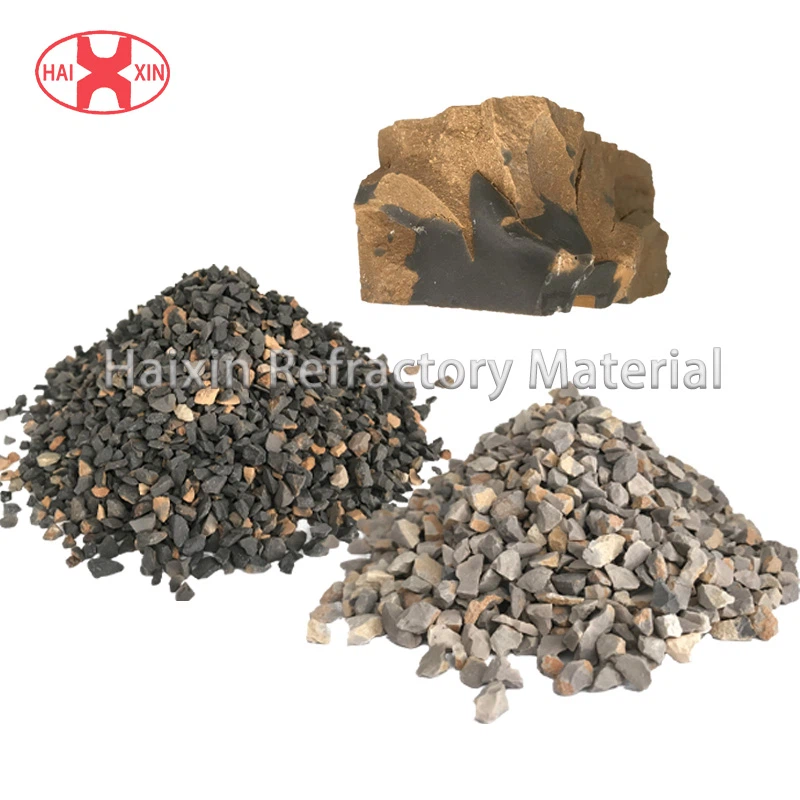
- Jiaobaoshi (hard Clay Clinker): Jiaobaoshi is a traditional refractory raw material with unique properties. Find out more about it here.
The Firing Processes
1. Drying
The first step in the firing process is usually drying. Raw refractory materials often contain a certain amount of moisture, which needs to be removed before firing. If the moisture is not removed, it can cause cracking or even explosion during the firing process due to the rapid expansion of water vapor.
Drying can be done in a variety of ways. One common method is air - drying, where the raw materials are left in a well - ventilated area for a period of time. This is a slow but simple and cost - effective method. Another method is using a dryer, which can speed up the drying process. Dryers can be heated by electricity, gas, or other fuels. The temperature and duration of drying depend on the type of raw material and its initial moisture content.
2. Pre - firing
After drying, the next step is pre - firing. Pre - firing is done at a relatively low temperature, usually between 200°C and 600°C. The main purpose of pre - firing is to remove any remaining volatile substances in the raw materials, such as organic matter and some chemically bound water.
During pre - firing, the raw materials start to undergo some physical and chemical changes. For example, some minerals may start to decompose, releasing gases. This is an important step to prevent the formation of pores or cracks in the final product. Pre - firing also helps to improve the strength and stability of the raw materials, making them more suitable for the subsequent high - temperature firing.
3. High - temperature Firing
High - temperature firing is the most critical step in the firing process. The temperature can range from 1200°C to over 1800°C, depending on the type of refractory raw material.
At high temperatures, the raw materials undergo significant chemical and physical changes. For example, in the case of clay - based refractory materials, the clay minerals transform into new crystalline phases, which give the material its high - temperature properties. The high - temperature firing also causes the particles in the raw materials to sinter together, forming a dense and strong structure.

The duration of high - temperature firing is also crucial. If the firing time is too short, the sintering process may not be complete, resulting in a weak and porous product. On the other hand, if the firing time is too long, it can lead to excessive grain growth and a decrease in the material's strength.
4. Cooling
After high - temperature firing, the refractory materials need to be cooled down slowly. Rapid cooling can cause thermal stress, which may lead to cracking or even breakage of the product.
The cooling rate depends on the type of refractory material and its size. For some materials, a very slow cooling rate of a few degrees per hour may be required. In some cases, the materials are cooled in a controlled environment, such as a cooling chamber, to ensure a uniform cooling rate.
Factors Affecting the Firing Process
1. Raw Material Composition
The composition of the refractory raw material has a significant impact on the firing process. Different minerals have different melting points and chemical reactivity. For example, materials with a high content of silica may require a higher firing temperature compared to those with a high content of alumina.
2. Particle Size
The particle size of the raw materials also affects the firing process. Smaller particles have a larger surface area, which can accelerate the sintering process during high - temperature firing. However, if the particles are too small, they may be more difficult to handle and may also lead to a higher risk of agglomeration.
3. Firing Atmosphere
The firing atmosphere can also influence the properties of the final product. For example, firing in an oxidizing atmosphere can promote the oxidation of some elements in the raw materials, while firing in a reducing atmosphere can have the opposite effect. Some refractory materials may require a specific firing atmosphere to achieve the desired properties.
Quality Control in the Firing Process
Quality control is essential in the firing process to ensure that the final product meets the required standards. This includes monitoring the temperature, time, and atmosphere during firing.
Temperature sensors are used to measure the temperature inside the kiln or furnace. The firing time is carefully controlled to ensure that the sintering process is complete. Sampling and testing are also done at different stages of the firing process to check the properties of the product, such as density, strength, and porosity.
Conclusion
In conclusion, the firing processes for refractory raw materials are complex but crucial for producing high - quality refractory products. From drying to cooling, each step plays an important role in determining the final properties of the materials. As a supplier of refractory raw materials, I understand the importance of these processes and strive to provide our customers with materials that have been fired under optimal conditions.
If you're in the market for refractory raw materials and want to learn more about our products or discuss your specific needs, feel free to reach out. We're always happy to help and look forward to having a conversation with you about your refractory material requirements.
References
- "Refractory Materials: Properties, Processing, and Applications" by John Doe
- "Handbook of High - Temperature Materials" by Jane Smith