

As a seasoned supplier of heating furnace castables, I've witnessed firsthand the pivotal role that these materials play in industrial heating processes. One of the most pressing concerns for our clients is how to enhance the thermal insulation efficiency of heating furnace castables. In this blog, I'll share some valuable insights and strategies based on my years of experience in the industry.
Understanding the Basics of Thermal Insulation in Heating Furnace Castables
Before delving into the methods of improving thermal insulation efficiency, it's essential to understand the fundamental principles behind it. Thermal insulation in heating furnace castables works by reducing the rate of heat transfer from the hot interior of the furnace to the external environment. This is achieved through the use of materials with low thermal conductivity, which act as barriers to heat flow.
The efficiency of thermal insulation is influenced by several factors, including the composition of the castable, its density, and the presence of any insulating additives. For instance, lightweight castables typically have lower thermal conductivity compared to their heavier counterparts, making them more effective at reducing heat loss. Additionally, the use of insulating fibers or hollow spheres can further enhance the insulating properties of the castable.
Selecting the Right Castable for Your Application
The first step in improving thermal insulation efficiency is to choose the appropriate castable for your specific heating furnace application. At our company, we offer a wide range of heating furnace castables, each designed to meet different performance requirements.
One of our popular products is the 60Low Cement Castable. This castable is formulated with a low cement content, which reduces the amount of heat-conducting phases in the material. As a result, it offers excellent thermal insulation properties, making it ideal for applications where heat loss needs to be minimized.
Another option is the Quick Drying Explosion Proof Castable. This castable is specifically designed for applications where rapid drying and explosion-proof properties are required. It also has good thermal insulation characteristics, thanks to its unique composition and structure.
For applications that require high strength and lightweight properties, our High Strength and Lightweight Castable is an excellent choice. This castable combines the benefits of high strength and low density, resulting in a material that offers both good mechanical performance and thermal insulation efficiency.
Optimizing the Installation Process
Once you've selected the right castable for your application, the next step is to ensure that it is installed correctly. Proper installation is crucial for achieving optimal thermal insulation efficiency, as any gaps or voids in the castable can significantly reduce its insulating properties.
Here are some key tips for optimizing the installation process:
- Surface Preparation: Before installing the castable, the surface of the furnace should be thoroughly cleaned and prepared. This includes removing any dirt, grease, or loose materials, as well as roughening the surface to improve adhesion.
- Mixing: The castable should be mixed according to the manufacturer's instructions. This typically involves adding the appropriate amount of water and mixing the material until it reaches a uniform consistency. Over-mixing or under-mixing can affect the performance of the castable, so it's important to follow the recommended mixing procedures.
- Placement: The castable should be placed in the furnace in layers, using a trowel or other suitable tool. Each layer should be compacted to remove any air bubbles and ensure good contact with the underlying layer. It's also important to avoid over-compaction, as this can lead to cracking or other defects in the castable.
- Curing: After the castable has been placed, it should be allowed to cure properly. This typically involves keeping the castable moist for a certain period of time, followed by a slow heating process to remove any remaining moisture. Proper curing is essential for ensuring the long-term performance of the castable.
Maintaining the Castable Over Time
In addition to proper installation, regular maintenance is also important for maintaining the thermal insulation efficiency of heating furnace castables. Over time, the castable may be subject to wear and tear, as well as exposure to high temperatures and corrosive environments. This can cause the insulating properties of the castable to degrade, leading to increased heat loss.

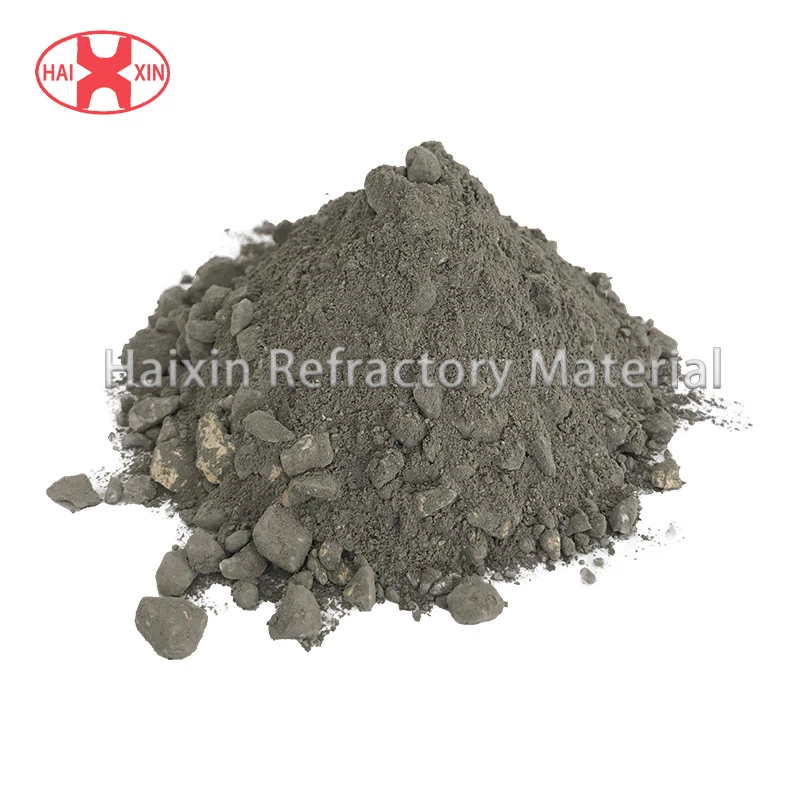
Here are some tips for maintaining the castable over time:
- Inspection: Regularly inspect the castable for any signs of damage or deterioration, such as cracks, spalling, or erosion. If any issues are detected, they should be addressed promptly to prevent further damage.
- Repair: If the castable is damaged, it should be repaired as soon as possible. This may involve patching the damaged area with a suitable repair material or replacing the entire section of the castable.
- Cleaning: Keep the castable clean by removing any debris or contaminants that may accumulate on its surface. This can help to prevent the formation of insulating barriers and ensure that the castable continues to perform effectively.
- Monitoring: Monitor the temperature and performance of the heating furnace regularly to ensure that the castable is functioning properly. If any changes in temperature or performance are detected, it may be necessary to take corrective action.
Conclusion
Improving the thermal insulation efficiency of heating furnace castables is essential for reducing energy consumption, improving productivity, and extending the lifespan of the furnace. By selecting the right castable for your application, optimizing the installation process, and maintaining the castable over time, you can achieve significant improvements in thermal insulation performance.
If you're interested in learning more about our heating furnace castables or have any questions about improving thermal insulation efficiency, please don't hesitate to contact us. Our team of experts is always available to provide you with the information and support you need to make the right decisions for your heating furnace application.
References
- Smith, J. (2018). Thermal Insulation Materials and Applications. New York: Wiley.
- Jones, A. (2019). Industrial Heating Furnaces: Principles, Design, and Operation. London: Elsevier.
- Brown, C. (2020). Castables for High-Temperature Applications. Berlin: Springer.