

Hey there! I'm a bauxite supplier, and today I wanna chat about the cool uses of bauxite in non - aluminum industries. You might think bauxite is only good for making aluminum, but that's far from the truth. Let's dive in and explore these amazing applications!
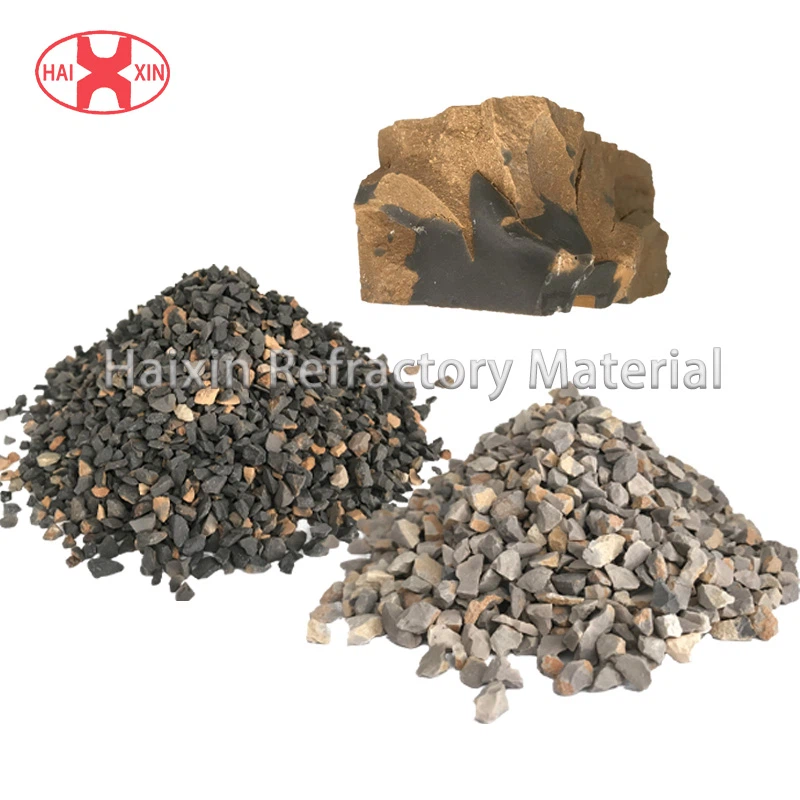

Refractory Materials
One of the major non - aluminum uses of bauxite is in the production of refractory materials. Refractory materials are substances that can withstand high temperatures without melting or deforming, and they're crucial in industries like steelmaking, glass manufacturing, and cement production.
Bauxite is rich in alumina (Al₂O₃), which gives it excellent heat - resistant properties. When processed, bauxite can be turned into high - quality refractory products. For example, calcined bauxite is widely used as a raw material in the refractory industry. It can be made into refractory bricks, which line the insides of furnaces, kilns, and other high - temperature equipment. These bricks need to be able to handle extreme heat and chemical corrosion, and bauxite - based refractories fit the bill perfectly.
The Bauxite we supply is carefully selected and processed to ensure its suitability for refractory applications. We make sure it has the right chemical composition and physical properties to produce top - notch refractory products. This helps our customers in the refractory industry to improve the efficiency and lifespan of their high - temperature equipment.
Abrasives
Bauxite also finds its way into the abrasive industry. Abrasives are materials used for grinding, polishing, and cutting other materials. Due to its hardness and durability, bauxite can be processed into abrasive grains.
Brown fused alumina, which is made from bauxite, is one of the most commonly used abrasives. It has a high hardness and sharp cutting edges, making it ideal for a wide range of abrasive applications. For instance, it can be used in grinding wheels for metalworking. These grinding wheels can quickly and accurately shape and finish metal parts, whether it's in automotive manufacturing, aerospace, or general machinery production.
In the woodworking industry, bauxite - based abrasives are used for sanding and finishing wooden surfaces. They can remove rough spots and give the wood a smooth and polished look. So, if you've ever seen a beautifully finished wooden table or a well - crafted wooden chair, there's a good chance bauxite - derived abrasives were involved in the process.
Ceramics
The ceramics industry is another area where bauxite plays an important role. Bauxite can be used as a raw material in the production of various ceramic products.
In the production of advanced ceramics, bauxite can be used to improve the mechanical properties of the ceramics. For example, it can increase the strength and hardness of ceramic tiles. These tiles are widely used in construction for flooring, wall cladding, and other applications. They need to be strong enough to withstand heavy foot traffic and other forms of wear and tear, and bauxite helps to achieve that.
Bauxite can also be used in the production of ceramic insulators. These insulators are used in electrical power systems to prevent the flow of electricity where it's not wanted. They need to have good electrical insulation properties as well as mechanical strength, and bauxite - based ceramics can meet these requirements.
Production of Mullite
Mullite is a very important material in many industries, and bauxite is one of the key raw materials for its production. Mullite has excellent high - temperature stability, low thermal expansion, and good mechanical properties.
When bauxite is combined with other materials like kaolin and heated at high temperatures, it can be transformed into mullite. Synthetic M47 Mullite (Synthetic Dense Alumina Silicate Aggregate) is a type of mullite product that is widely used in the refractory and ceramic industries.
In the refractory industry, mullite can be used to make high - performance refractory castables. These castables are easy to install and can be shaped according to the specific needs of the equipment. They provide excellent thermal insulation and resistance to chemical attack, which helps to improve the energy efficiency and service life of high - temperature furnaces.
In the ceramic industry, mullite can be used to make high - quality ceramic products such as spark plugs, crucibles, and other technical ceramics. These products require high - performance materials that can withstand extreme conditions, and mullite fits the requirements well.
Water Treatment
Bauxite can also be used in water treatment processes. When bauxite is processed into aluminum hydroxide or polyaluminum chloride (PAC), it can be used as a coagulant in water treatment plants.
Coagulants are substances that help to remove suspended particles, colloids, and other impurities from water. They work by neutralizing the electrical charges on the particles, causing them to clump together and settle out of the water. This makes it easier to filter the water and remove the contaminants.
PAC, which can be derived from bauxite, is a very effective coagulant. It can work well over a wide range of pH values and is able to remove a variety of contaminants, including heavy metals, organic matter, and turbidity. So, in a way, bauxite plays a role in ensuring that we have clean and safe drinking water.
Conclusion
As you can see, bauxite has a wide range of uses in non - aluminum industries. From refractory materials and abrasives to ceramics, mullite production, and water treatment, it's a truly versatile material.
If you're in any of these industries and are looking for high - quality bauxite, I'm here to help. I've been in the bauxite supply business for a while, and I know what it takes to provide the best products to my customers. Whether you need bauxite for a small - scale project or a large - scale industrial operation, I can offer you the right solution.
If you're interested in purchasing bauxite for your non - aluminum industry needs, don't hesitate to reach out. Let's start a conversation about how we can work together to meet your requirements.
References
- "Industrial Minerals and Rocks: Commodities, Markets, and Uses" by Society for Mining, Metallurgy & Exploration
- "Refractories Handbook" by S. C. Singhal
- "Abrasives Manufacturing and Applications" by various authors